
TCH Tolerance: Why T-Breaks Work So Fast
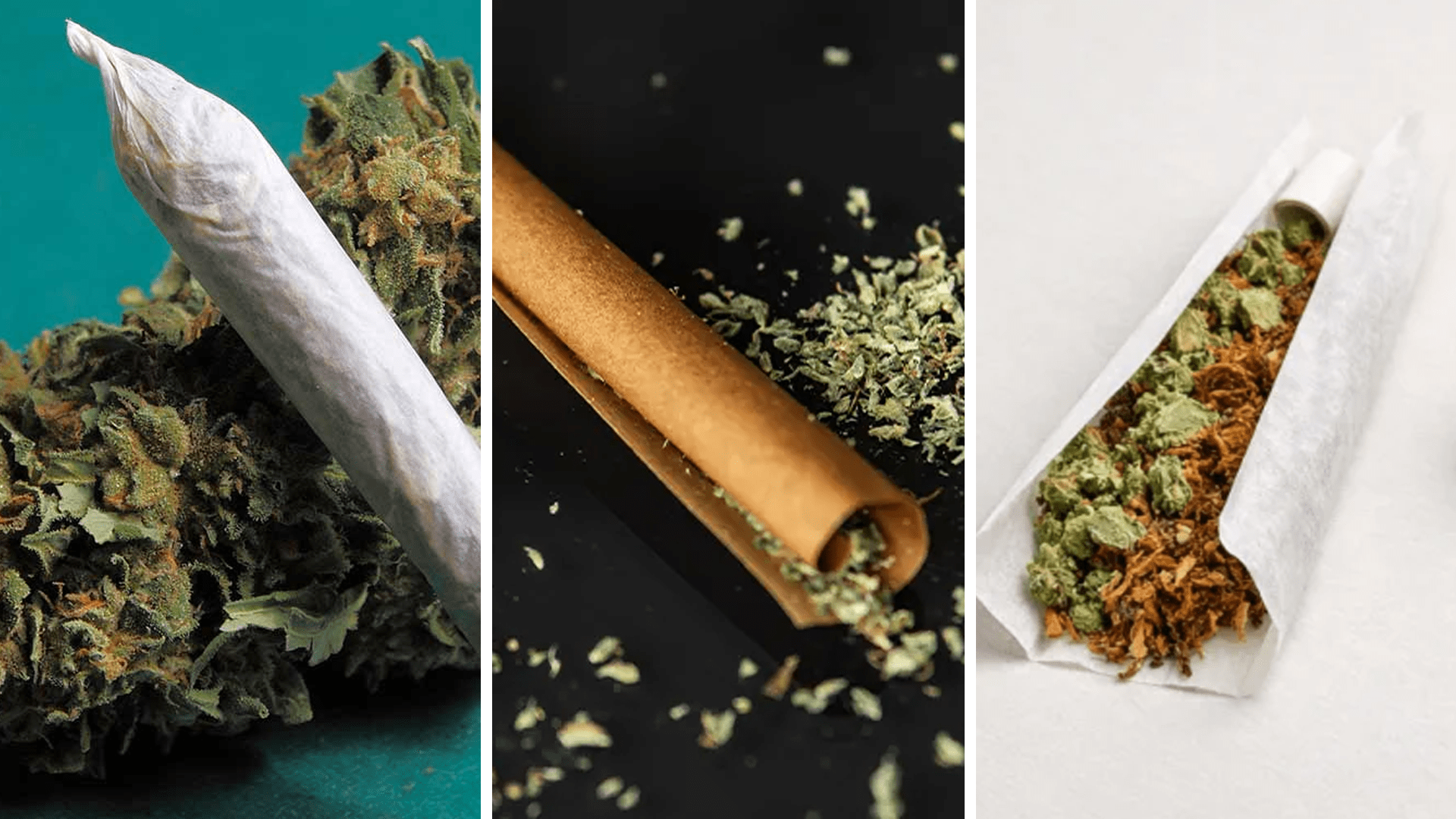
You hand someone what you think is a joint and they look at you and say “oh, I don’t do spliffs.” Or you ask for a blunt and end up with a tightly rolled cigarette-looking thing that burns in five minutes. For anyone new to cannabis, or anyone crossing into a different culture or country, the terms joint, blunt, and spliff are used as if they’re interchangeable, but they are not. The difference matters practically. One of these three contains only cannabis.
The other two contain tobacco in different amounts and forms, which changes the health risk, the nicotine exposure, and the overall experience. Getting it wrong is not just a matter of preference; it can mean unexpectedly inhaling nicotine when you had no intention of doing so. At Scarlet Fire Cannabis Co. in North York, Toronto, we get this question across the counter regularly. This guide gives you the complete, honest breakdown into the considerations, rolling materials, and how to figure out which format suits you.
Visit Scarlet Fire Cannabis Co. in North York, Toronto – Our Staff Can Help You Find the Right Flower, Papers, and Accessories for Your Session
Joint Explained
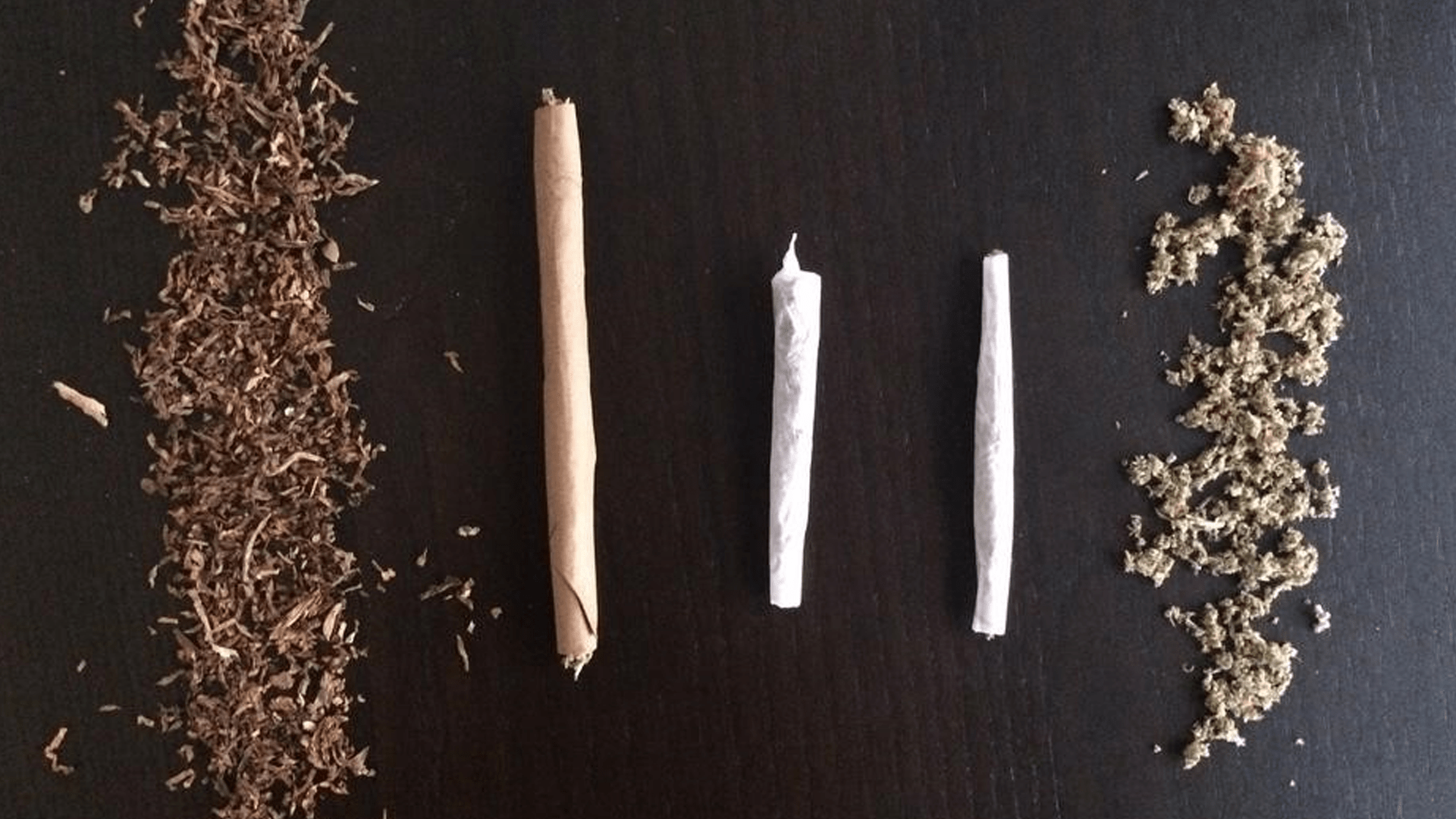
A joint is cannabis rolled in a thin rolling paper with no tobacco involved at any point. The fill is entirely cannabis flower. The paper may be made from wood pulp, rice, hemp, flax, or cellulose, but it does not contain nicotine or tobacco leaf. A joint typically includes a crutch, also called a filter or tip, made from a small piece of rolled cardboard that creates a mouthpiece, improves airflow, and keeps the cannabis from pulling through.
Joints vary in size. Standard single-wide papers (70mm) produce a small, personal-sized roll. King-size papers (110mm) allow for a larger joint suited to group sessions. Pre-rolled cones, widely available in licensed Canadian dispensaries, skip the rolling step entirely and simply require filling and twisting.
A Brief History of the Joint
The joint as we know it traces back to Mexico in the mid-1800s. According to historians, indigenous workers in Mexico were among the first documented people to blend cannabis into tobacco-style rolls using available paper. The first recorded academic reference appeared at the University of Guadalajara in 1856.
Rolling paper as a manufactured product has roots in 16th-century Spain, where the town of Alcoy produced some of the earliest commercial papers. Pay-Pay, founded in 1703, is considered the world’s first continuously branded rolling paper company. Rizla, founded on French papermaking lineage and famously commissioned to supply Napoleon’s army with rolling papers, followed shortly after.
The joint spread through jazz culture in the United States during the 1920s, where musicians referred to cannabis cigarettes as “jazz cigarettes” and smoked them publicly in an era when legal status differed from today. By the 1960s counterculture movement, the joint had become a global symbol.
Joint Rolling Papers: What You’re Actually Smoking
The paper type in a joint matters more than most people realize. Each material burns differently and affects how clearly you taste the cannabis.
|
Paper Type |
Burn Rate |
Flavor Impact |
Best For |
|
Wood pulp |
Medium-fast |
Mild, can be harsh if bleached |
Beginners, widely available |
|
Rice |
Slow |
Nearly tasteless |
Terpene-forward strains, connoisseurs |
|
Hemp |
Slow, even |
Subtle earthy note |
Eco-conscious, all-rounders |
|
Flax |
Slow |
Clean, minimal |
Experienced rollers |
|
Cellulose (clear) |
Slow |
None |
Visual novelty, special occasions |
Rice and hemp papers are the most commonly recommended for cannabis because they allow terpene profiles to come through without chemical interference. According to a 2021 study on smoking impurities, the choice of paper contributes to the chemical profile of the smoke, and organic, unbleached papers introduce fewer additives.
What Is a Blunt?
A blunt is cannabis rolled inside a tobacco leaf or cigar-based wrap, not rolling paper. The standard method involves hollowing out a cigar or cigarillo, discarding the tobacco inside, and re-filling the wrap with cannabis. Today, pre-made blunt wraps are sold specifically for this purpose and are available in dozens of flavors. Because the wrap is made from tobacco leaf or processed tobacco pulp, a blunt always contains some level of nicotine, even when no loose tobacco is added to the fill.
Blunts burn slower and last longer than joints due to the thicker tobacco wrap. They are generally larger, hold more cannabis, and suit group sessions or extended smoking sessions. The tobacco wrap contributes a distinctly sweet, heavier flavor.
Why Are They Called Blunts?
The name comes directly from the Phillies Blunt brand of cigars, which were commonly used for this purpose in American cities during the 1980s and early 1990s. The cigar’s rounded, blunt tip rather than a tapered point gave the format its name. Other popular cigar brands that became associated with the practice include Backwoods, Swisher Sweets, Dutch Masters, and White Owl.
The History of the Blunt
The blunt’s cultural origins trace back to the Caribbean in the 19th century. Communities in Jamaica, the Dominican Republic, Puerto Rico, and Cuba are believed to have developed the practice of wrapping cannabis in tobacco leaves. Historians propose several reasons: rolling paper was scarce or unavailable in these regions; tobacco leaves were abundant; and the cigar wrap effectively masked the smell of cannabis. The term “ganja,” still in wide use today, reflects the influence of Indian indentured laborers who brought cannabis to Jamaica during the colonial period, where the Hindi word for cannabis flower was adopted into local culture.
The blunt entered North American mainstream culture during the 1980s after waves of Caribbean immigration to cities like New York, Philadelphia, and Baltimore. Hip-hop culture became the vehicle for its spread. The first documented hip-hop reference to blunts appears in Big Daddy Kane’s 1988 song “Raw.”
Throughout the 1990s, artists including Cypress Hill, Redman, Method Man, and Snoop Dogg cemented the blunt as a symbol of cannabis culture. A 2015 epidemiological analysis published in Drug and Alcohol Dependence (Johns Hopkins Bloomberg School of Public Health) noted that blunt use has continued to rise in the United States. More recently, data from Addictive Behaviors journal showed that between 2015 and 2022, the number of Americans smoking blunts daily or occasionally rose by 24% and 34% respectively
Hemp and Tobacco-Free Blunt Wraps
It is worth noting that the market has moved significantly. Tobacco-free blunt wraps made from hemp, palm leaf, banana leaf, and other plant fibers are now widely available. These products mimic the size, burn, and texture of traditional blunt wraps without adding nicotine. If you want the blunt format without the tobacco, this is the practical path.
What Is a Spliff?
A spliff uses the same thin rolling paper as a joint but mixes loose tobacco directly into the cannabis fill. The ratio varies by personal preference and cultural norm. Some spliffs are mostly cannabis with a light dusting of tobacco; others approach a 50/50 split. The tobacco is in the fill, not the wrap, which distinguishes a spliff from a blunt.
Because tobacco is blended throughout the fill, spliffs typically burn more evenly and are easier to roll than pure cannabis joints. Tobacco is finely cut and fills gaps between loosely ground cannabis, helping the roll hold a consistent shape. The nicotine from the tobacco adds a stimulating head rush alongside the cannabis effect.
Where the Word Spliff Comes From
“Spliff” is a Jamaican Patois word of West Indian origin, first attested in writing around 1936 according to the Oxford English Dictionary. In Jamaica, the word originally referred to any cannabis cigarette, with no tobacco required. As the term traveled through reggae culture and immigration to the United Kingdom and Europe, it took on the specific meaning of a tobacco-cannabis blend, which became the norm in European countries where rolling pure cannabis in a joint is comparatively less common. In North America, “spliff” in its current tobacco-mixed meaning gained traction relatively recently, as cannabis culture became more globally interconnected.
The Geography of the Spliff
Spliff culture is predominantly European. In countries like the UK, Germany, France, and the Netherlands, mixing cannabis with tobacco is the standard practice rather than the exception, partly due to longstanding hash culture. Hash, unlike dried flower, has a play-dough consistency that makes it nearly impossible to roll without a tobacco base to provide structure. A systematic review published in Drug and Alcohol Dependence noted that qualitative studies in some European countries have documented tobacco comprising up to half of a typical spliff.
In North America, spliffs are far less common. Many North American cannabis consumers are unfamiliar with the format, and legal dispensaries in Canada sell regulated cannabis flower products without any tobacco added.
Joints vs. Blunts vs. Spliffs: A Full Comparison
|
Feature |
Joint |
Blunt |
Spliff |
|
Contains cannabis |
Yes |
Yes |
Yes |
|
Contains tobacco |
No |
Yes (wrap) |
Yes (fill) |
|
Wrap/paper type |
Thin rolling paper |
Tobacco leaf / cigar wrap |
Thin rolling paper |
|
Typical size |
Small to medium |
Medium to large |
Small to medium |
|
Burn time |
Moderate |
Long, slow |
Moderate |
|
Nicotine present |
No |
Yes |
Yes |
|
Flavor profile |
Pure cannabis |
Earthy, sweet tobacco notes |
Cannabis + tobacco blend |
|
Best for |
Pure experience, health-conscious |
Long sessions, groups |
Stretching cannabis, European-style |
|
Health risk level |
Cannabis only |
Cannabis + tobacco |
Cannabis + tobacco |
|
Popular in |
North America, global |
North America |
Europe, Caribbean |
Choose a Joint If…
- You want the full, unaltered flavor of your cannabis and its terpene profile
- You prefer to avoid nicotine and tobacco entirely
- You are new to cannabis and want a predictable experience
- You are using cannabis for specific therapeutic goals and do not want the stimulating effects of nicotine to interfere
Choose a Blunt If…
- You want a longer, slower burn suited to a group session
- You appreciate the fuller flavor and density of a tobacco wrap
- You can source tobacco-free hemp wraps if you want the format without the nicotine
- You are experienced with cannabis and aware of the nicotine content in the wrap
Choose a Spliff If…
- You are familiar with European smoking culture and prefer the tobacco blend
- You want to stretch a smaller amount of cannabis further
- You enjoy the specific combination of the cannabis high and nicotine head rush
- You are already a regular tobacco user and accustomed to the effects
Roll the Right Way at Scarlet Fire Cannabis Co.
Whether you are rolling your first joint, switching from blunts to tobacco-free wraps, or just trying to understand what you have been smoking all along, the distinction between joints, blunts, and spliffs is worth knowing. At Scarlet Fire Cannabis Co. in North York, Toronto, we carry a full range of cannabis flower, pre-rolls, rolling papers, hemp wraps, and accessories.
Our team is trained to walk you through the options without judgment, whether you are brand new to cannabis or an experienced consumer making a more informed choice about how you consume. Our point is: if you want pure cannabis with no tobacco, a joint is your format. If you want a slower, heavier burn, look at hemp-wrap blunts. If you are mixing European-style culture, that is a spliff.
Visit us in North York, Toronto. Let our team help you find the right paper, the right flower, and the right approach for your session.
[Shop In-Store at Scarlet Fire Cannabis Co. – North York, Toronto] | [Browse Our Current Menu] | [Contact Our Team]