
CBD vs THC - The Simple Guide to Choosing the Right Product - Scarlet Fire Cannabis (Toronto/North York)
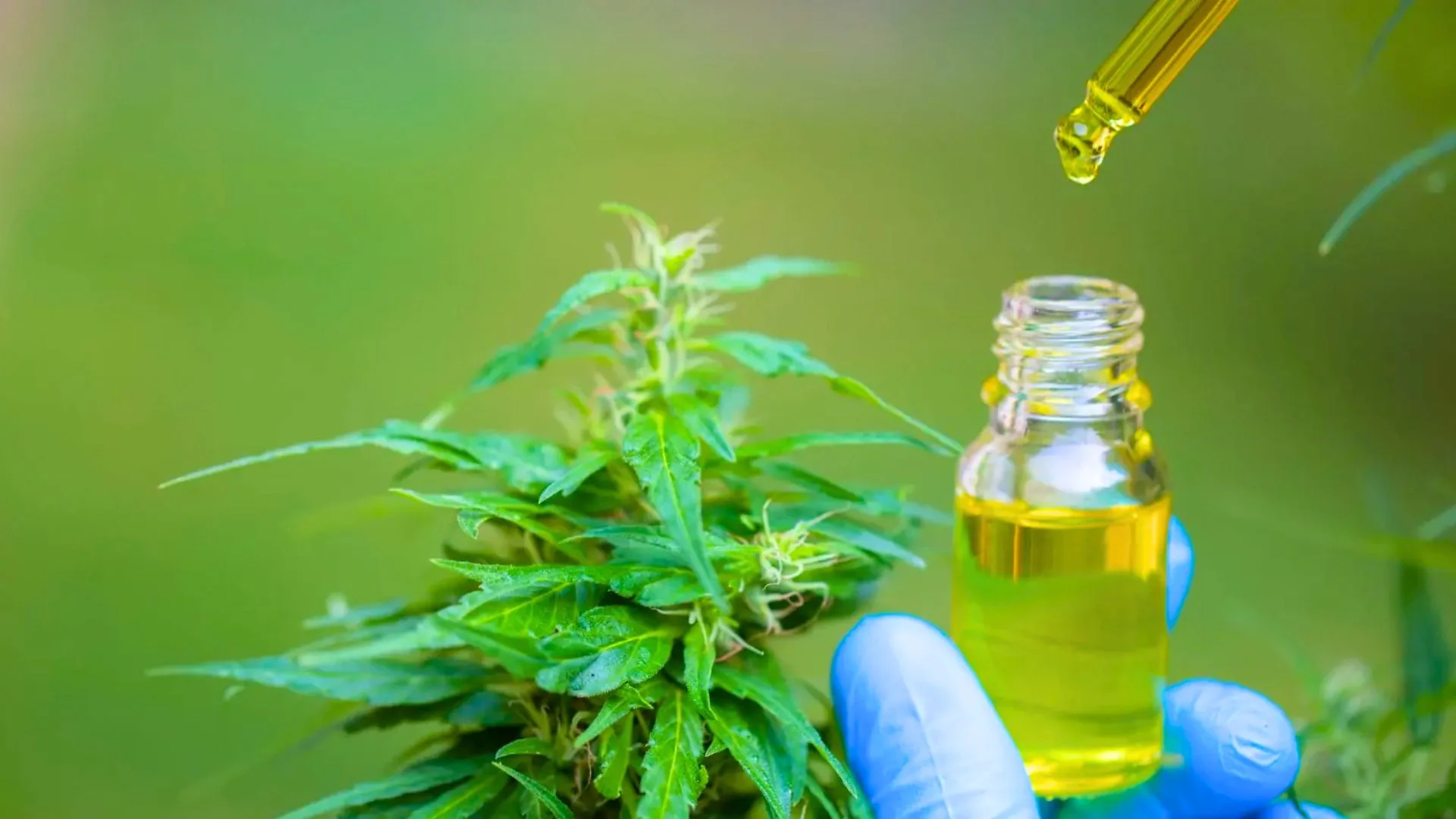
Cannabis consumers in Ontario now operate within one of the most tightly regulated retail frameworks in North America, one that prioritizes standardized testing, transparent labeling, and consistent product categories. Yet even with these safeguards, many adults shopping in Toronto and North York still encounter the same practical challenge: understanding what a product will actually feel like in real-world use. Terms like “strain,” “strength,” and “indica/sativa” are often treated as decisive, but in most cases, the more reliable predictors of experience are cannabinoid composition, dose, delivery format, and individual tolerance.
This guide clarifies the most important foundational distinction in cannabis selection: CBD versus THC. It also explains how cannabinoid ratios influence effects, why terpenes matter, and how to choose the most appropriate product format for your goals. For adults seeking a more informed and predictable buying process, Scarlet Fire Cannabis, located at 3852 Bathurst Street in North York, Toronto, provides curated CBD-forward and balanced options supported by practical, label-based guidance.
CBD vs THC: The Core Pharmacological Difference
Cannabis contains a wide range of biologically active compounds, but most consumer experiences are primarily shaped by two cannabinoids. These compounds interact with the body’s endocannabinoid system and play a central role in how cannabis products are perceived, used, and integrated into daily life. Understanding their differences provides a clearer foundation for making informed product choices.
- CBD (cannabidiol)
- THC (tetrahydrocannabinol)
Both compounds interact with the body’s endocannabinoid system, which helps regulate mood, sleep, stress response, and physical comfort. Despite coming from the same plant, CBD and THC differ in how they affect the brain and body, particularly in psychoactivity, perceived intensity, and typical use cases. Understanding these differences allows consumers to select products that align more closely with their goals, tolerance, and daily routines.
CBD (Cannabidiol)
CBD is non-intoxicating and is commonly selected for its potential to support calm, physical ease, and daily balance. It interacts with the endocannabinoid system in a regulatory manner, which helps promote steadiness rather than stimulation. Many consumers describe CBD-forward products as clear and manageable, especially when used during structured parts of the day.
Unlike THC, CBD does not typically produce euphoria or noticeable cognitive impairment. This allows CBD-dominant products to be integrated into daily routines without disrupting focus or awareness. For this reason, CBD is often chosen by adults seeking functional support rather than a psychoactive experience.
THC (Tetrahydrocannabinol)
THC is the primary psychoactive cannabinoid in cannabis and is responsible for the sensations commonly described as a “high.” It binds more directly to cannabinoid receptors in the brain, which can lead to effects such as mood elevation, sensory enhancement, altered time perception, and changes in focus. The intensity of these effects varies based on dose, tolerance, and individual response.
THC is not inherently negative, but its subjective impact is stronger and more noticeable than CBD. Because of this, thoughtful attention to dose, setting, and delivery method becomes important. For some individuals, especially those with lower tolerance, higher amounts of THC may contribute to discomfort such as overstimulation or anxiety, which is why many consumers prefer measured or balanced approaches.
What High-CBD Cannabis Means in Ontario’s Regulated Market
High-CBD cannabis generally refers to products in which cannabidiol is present in equal or greater quantities than THC. In Ontario, identifying these products is straightforward because regulated packaging clearly displays cannabinoid ranges, allowing consumers to compare CBD and THC content with confidence. This transparency helps shoppers select products that align with their comfort level and intended use.
High-CBD and CBD-forward products are often chosen by adults who want cannabis effects that are:
- More controlled and predictable
- Eess intoxicating
- Easier to integrate into structured routines
- Compatible with lower tolerance or sensitivity to THC
CBD-forward selections are available across multiple formats, including flower, pre-rolls, vapes, oils, and edibles. At Scarlet Fire Cannabis in North York, this variety allows consumers to choose products based on onset time, duration, and lifestyle fit, supporting more consistent and intentional use.
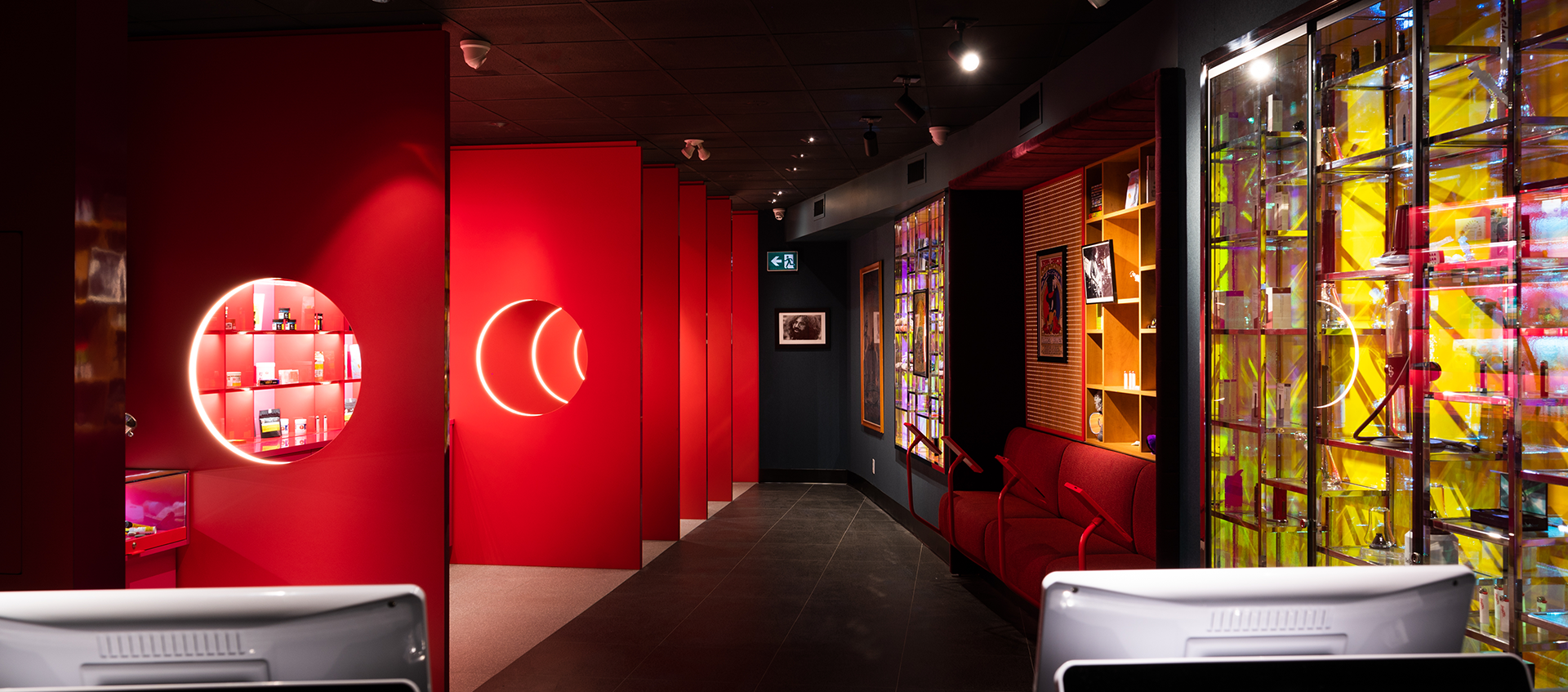
How CBD and THC Interact With the Endocannabinoid System
The endocannabinoid system, often referred to as the ECS, is a regulatory network that helps maintain balance across several bodily functions, including mood, stress response, immune activity, sleep, and overall homeostasis. Both CBD and THC influence this system, but they do so through different pathways. Understanding these differences helps explain why products containing CBD and THC can feel distinct even when derived from the same plant.
THC interacts more directly with cannabinoid receptors in the central nervous system, which contributes to its psychoactive effects and noticeable changes in perception. CBD, by contrast, tends to influence the endocannabinoid system indirectly by modulating receptor activity and supporting regulatory processes rather than stimulating them. From a consumer perspective, the key takeaway is practical: CBD and THC are used for different purposes, and their effects align with different goals related to comfort, clarity, and intensity.
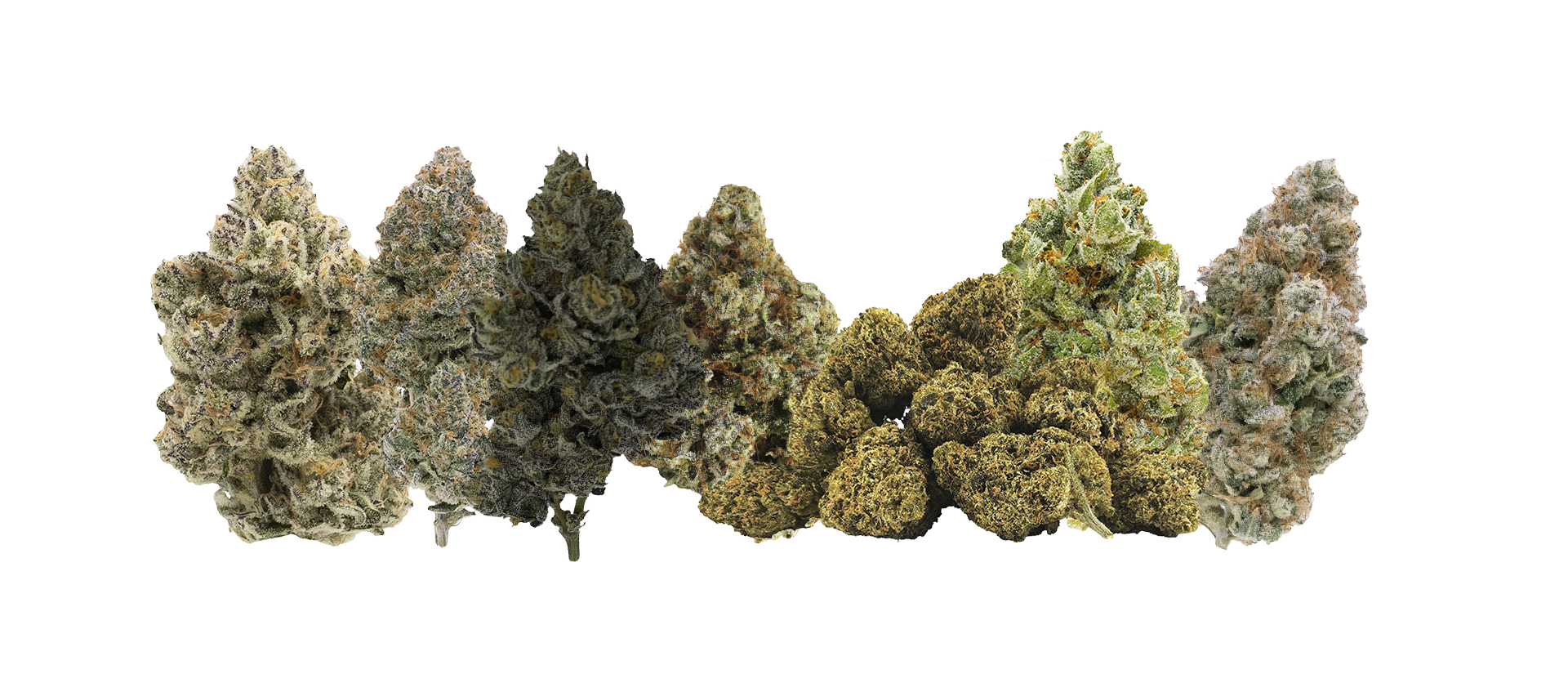
Why Cannabinoid Ratios Matter More Than Strain Names
In modern retail cannabis, strain names often function more as branding tools than as reliable predictors of effect. While genetics influence how a plant grows, cannabinoid ratios provide clearer and more practical insight into how a product is likely to feel. For most consumers, understanding the balance of CBD and THC is more useful than relying on a name alone.
CBD-dominant (low THC)
CBD-dominant products are typically selected when the goal is minimal intoxication and steady effects. These products are often preferred by adults who want calm and physical ease without strong cognitive alteration. Focusing on cannabinoid ratios helps consumers make more consistent choices that align with tolerance, lifestyle, and intended use.
Balanced ratios (1:1 CBD:THC)
Balanced products are among the most widely used categories for adults who want noticeable effects without excessive intensity. A 1:1 ratio can feel smoother and more manageable than high-THC products, particularly for those sensitive to THC. This ratio is often chosen by consumers who want both mental and physical effects to feel present but not overwhelming. It is commonly used in settings where balance and predictability are preferred over strong psychoactive impact.
CBD-leaning balanced (2:1 CBD:THC and similar)
These products are often selected by consumers who want some psychoactive effect while maintaining a more controlled, grounded experience. For many, this ratio provides a useful midpoint between “barely noticeable” and “too strong.” The higher proportion of CBD helps moderate THC’s intensity while still allowing noticeable effects to develop. This category is frequently chosen by adults who want consistency across repeated use without sharp fluctuations in experience.
Can CBD Moderate THC?

When CBD and THC are present together, CBD may influence how THC is experienced. Many consumers report that balanced products feel less sharp or less overwhelming than THC-dominant products, particularly at comparable doses. This difference is often attributed to how CBD interacts with cannabinoid receptors and signaling pathways that affect perception and intensity.
This is one reason balanced ratios are frequently recommended for adults who want to avoid unpredictable intensity while still experiencing clear cannabis effects. By softening some of THC’s more pronounced sensations, CBD can help create an experience that feels steadier and easier to manage. For many users, this balance supports confidence and consistency across repeated use.
Terpenes: A Secondary (But Meaningful) Driver of Experience
Terpenes are aromatic compounds that contribute to cannabis scent and flavor, and they may shape the qualitative character of effects. While cannabinoids establish the primary direction of experience, such as intoxicating or non-intoxicating, terpenes help influence how that experience feels in more subtle ways. These compounds interact alongside cannabinoids to refine aspects like perceived calm, alertness, or physical ease.
Different terpene profiles can make two products with similar cannabinoid ratios feel noticeably different. For example, terpene combinations associated with relaxation may feel more grounding, while those linked to clarity may feel lighter and more energizing. Understanding terpenes alongside cannabinoids provides a fuller picture of how cannabis products may perform in real-world use.
Common terpenes in CBD-forward and balanced products include:
- Myrcene: Often associated with deeper physical relaxation
- Pinene: Frequently linked to clarity and alertness
- Limonene: Commonly described as brighter or mood-lifting
- Caryophyllene: Often associated with grounding, body-focused comfort
Consumers seeking consistency often benefit from considering terpene profiles alongside cannabinoid ratios, rather than relying solely on THC percentage. Terpenes help shape how cannabinoids are perceived, which means two products with similar THC levels can feel noticeably different depending on their aromatic composition. By paying attention to both terpene content and cannabinoid balance, consumers can make more informed choices that lead to more predictable and repeatable experiences over time.
Choosing the Right Product Format (Flower, Vapes, Edibles, Oils)
Selecting the right cannabis format directly influences onset time, duration, and overall predictability of effects. Each format interacts with the body differently, which is why understanding these differences helps consumers align product choice with lifestyle, tolerance, and timing. Format selection is often just as important as cannabinoid ratio when aiming for consistent results.
Dried flower
CBD flower typically produces rapid onset because cannabinoids are absorbed through inhalation. This format allows users to assess effects quickly and adjust amounts in small increments, which supports flexibility and control. Many adults prefer flower because they offer immediate feedback and a full-spectrum experience that reflects the plant’s natural profile. It remains a common choice for those who value adaptability in dosing.
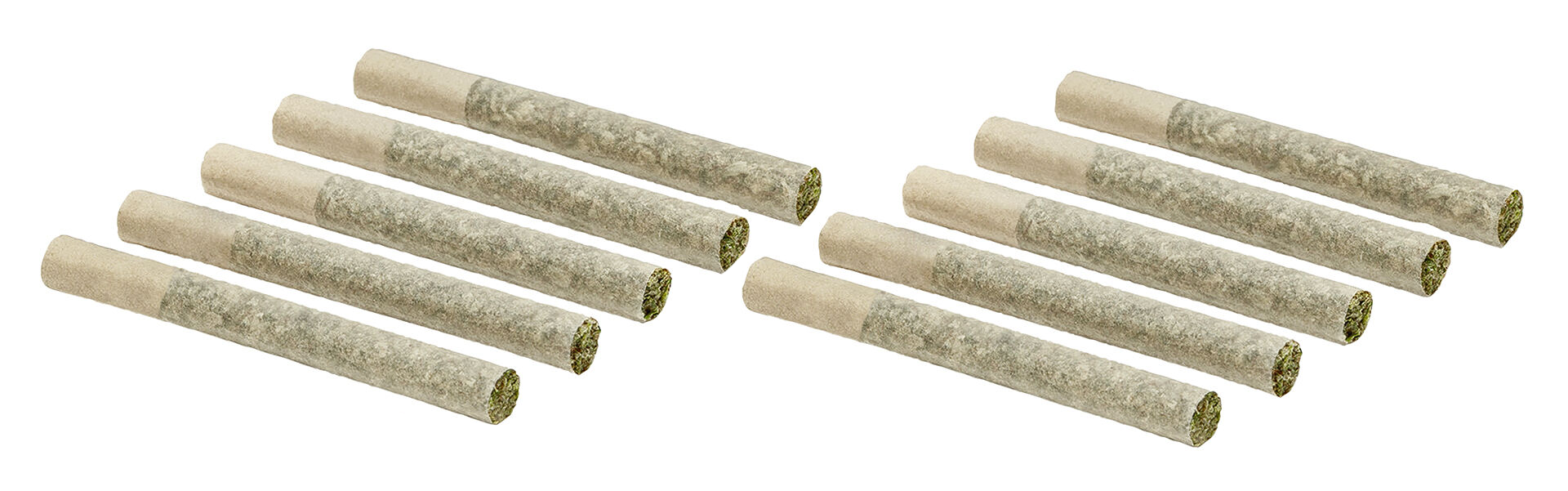
Pre-rolls
CBD pre-rolls offer convenience through standardized portioning and consistent preparation. For many consumers, this reduces uncertainty and simplifies repeat purchasing, especially when familiarity with a specific product develops over time. Pre-rolls are often chosen by adults who want reliability without the need for preparation. This format fits well into routines where ease and predictability matter.
Vapes
CBD vapes are often selected for fast onset and discreet use. Inhalation allows cannabinoids to enter the bloodstream quickly, which makes vapes suitable for short, controlled sessions. Many consumers use this format when precise timing and minimal interruption are priorities. Full-spectrum vape options may also preserve terpene content, contributing to balanced effects.
Edibles
CBD edibles produce longer-lasting effects because cannabinoids are processed through digestion before entering the bloodstream. Onset is slower and often occurs within 60 to 120 minutes, but effects may last several hours once they develop. This format is commonly used during evenings or when extended support is preferred. Because timing is delayed, careful portion control is important for predictable results.
Oils
CBD oils also produce longer-lasting effects, though onset can be more flexible depending on how they are used. When taken sublingually, oils may begin to take effect sooner than edibles, while still offering sustained duration. Many consumers choose oils for their dosing precision and consistency. Attention to portion size and timing supports a more controlled and repeatable experience.
Request specific profiles, and they connect you to options for headaches with pinene’s clarity or stress with myrcene’s deep sink, ensuring personalized results every time.
Vapes And Edibles: Discreet High CBD Strains Options
Understanding how onset time and duration differ between cannabis formats is essential for responsible use and predictable outcomes. These factors influence not only how quickly effects are felt, but also how long they last and how easily they can be adjusted once they begin. Making informed choices around format helps consumers align use with timing, tolerance, and daily routines.
Inhaled formats typically take effect within minutes and tend to have a shorter overall duration. Because effects appear quickly, this format allows for easier real-time adjustment, giving consumers more immediate feedback and control. This makes inhaled options appealing for those who prefer flexibility and quicker assessment of effects.
Ingested formats such as edibles and oils usually take longer to activate, with onset often occurring between 60 and 120 minutes. Once effects develop, they tend to last significantly longer than inhaled formats, which makes these options well suited for sustained support, especially during evenings or periods of rest. Because adjustment is slower, careful attention to timing and portion size plays an important role in maintaining consistency.
Responsible Use: Dose, Tolerance, and Consistency
Individual response to cannabis varies substantially due to factors such as tolerance, metabolism, body composition, and prior exposure. For this reason, a measured approach remains the most reliable strategy:
- Begin with a low dose
- Increase gradually only if needed
- Prioritize consistency over intensity
CBD-forward products are often most effective when selected and used with clear goals and realistic expectations.
Visit Scarlet Fire Cannabis for CBD-Forward and Balanced Options
For adults shopping in North York and the broader Toronto area, Scarlet Fire Cannabis offers a curated selection of CBD-dominant and balanced products across major formats, supported by straightforward, label-based guidance.
Located at 3852 Bathurst Street, Scarlet Fire Cannabis serves nearby neighbourhoods including Willowdale and York Mills, with product options designed for adults seeking calm, controlled, and consistent experiences.