
Sativa or Indica: Finding the Right Fit for Daytime Use - Scarlet Fire (North York / Toronto)
August 10, 2026
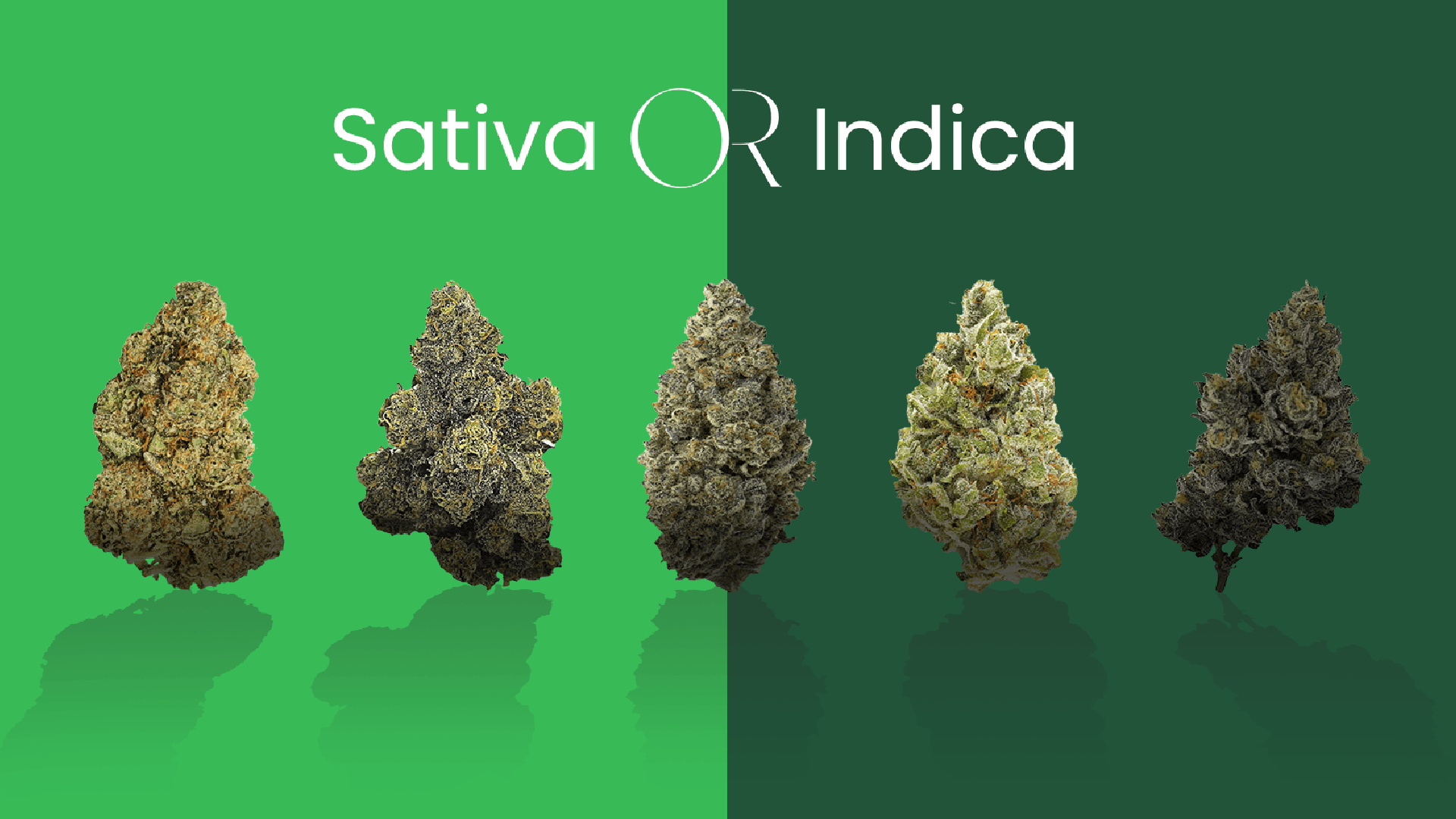
Sativa and indica are plant descriptors, not effect guarantees, so neither label can tell you how a product will fit into your day. The words began as botany. Over time, the cannabis trade turned those botanical labels into retail shorthand for daytime and nighttime.
That shorthand still runs the Ontario retail floor, ours included. Knowing what it does and does not tell you changes how you compare products. It also changes the questions worth bringing to the counter.
What a Canadian Cannabis Package Tells You
Legal cannabis packaging in Canada carries a defined set of required information. Health Canada’s packaging and labelling rules require a range of information, including the brand name, class of cannabis, THC and CBD information, licence-holder information, the mandatory health warning, and the standardized cannabis symbol where applicable. Other required details vary by product class. Those are some of the core details you can expect to see on legal cannabis packaging, with additional requirements depending on the product class.
Some products go further, and that extra information is optional rather than guaranteed. Composition details such as terpene amounts may be included by a licence holder as long as the information is factual and complies with the regulations. Treat terpene data as useful product information when it is provided, not as a universal label field.
- Required: brand name, class of cannabis, THC and CBD content
- Required: licence holder information and lot number
- Required: the mandatory health warning message
- Required where applicable: the standardized cannabis symbol, the red hexagon
- Optional: terpene information, cultivar names, and other factual composition details
Sativa vs Indica: What the Labels Actually Mean

Sativa and indica originally described plant shape, not the experience of consuming. Linnaeus named Cannabis sativa in 1753. Lamarck later described Cannabis indica as a shorter, bushier plant with narrower leaflets.
Modern taxonomists mostly treat cannabis as a single, highly variable species. Decades of breeding and hybridization have blurred the traditional boundaries. The indica and sativa labels are far less reliable as predictors of a product’s chemistry than their retail shorthand suggests.
Why "Daytime Strain" Is Not a Scientific Category
“Daytime strain” is retail shorthand for a product shoppers tend to reach for earlier in the day. It is a sorting convention. It is not a tested outcome.
Ontario cannabis retailers operate within strict federal and provincial rules around promotion and product information. Staff can describe a product, read you the label, and compare specifications across two SKUs. What we cannot do is create the impression that cannabis delivers a health or cosmetic benefit, and no one can predict your individual response anyway.
What Actually Helps You Compare Products
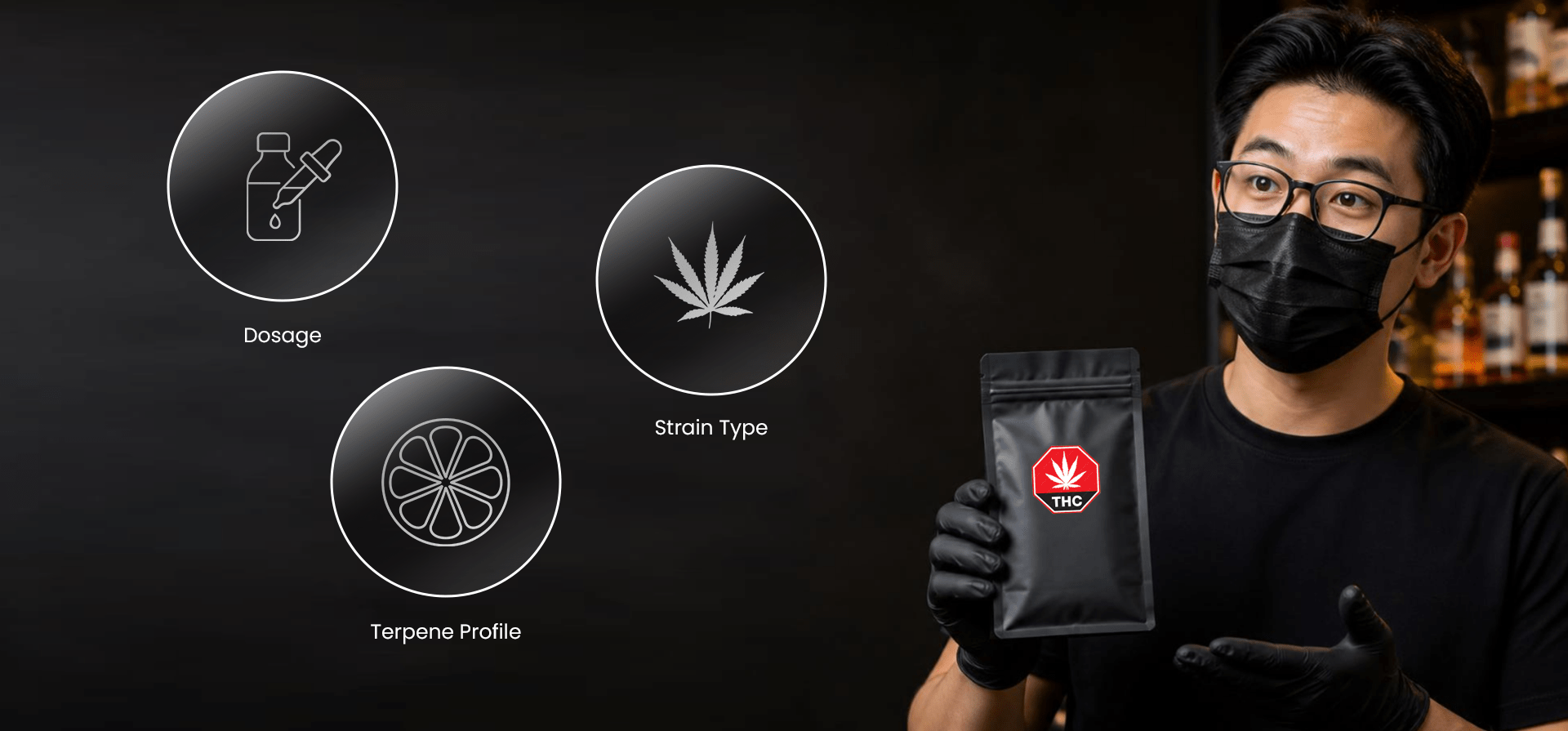
Budtenders are the heart of the dispensary experience. They are not just cashiers but guides who help customers navigate product options and understand what will work best for them. A well-trained staff member knows how to explain dosage, strain types, terpene profiles, and effects in a way that is simple and helpful. For first-time shoppers, that kind of support makes all the difference.
When a budtender listens carefully, asks the right questions, and explains things clearly, it builds trust. You want to feel confident that the person helping you actually knows the products and can recommend something that fits your goals. Whether you are looking for better sleep, reduced stress, or more focus, their job is to match you with the right option.
Consistency is also important. If you ask three different staff members about the same product and get three different answers, that is a red flag. Good dispensaries train their teams to give reliable information every time.
You can usually spot a well-trained team by how they communicate. They make you feel comfortable, never rush you, and take time to educate. These soft skills, paired with solid product knowledge, are what turn a quick visit into a positive and memorable experience.
THC, CBD, and Your Own Tolerance
THC percentage tells you the concentration of THC by weight. A 30 percent flower and an 18 percent flower are not interchangeable. Your tolerance and the amount you consume matter more to your experience than the indica or sativa tag alone.
Health Canada’s lower-risk guidance differs by format, and the distinction matters. For edible cannabis, it suggests looking for products containing 2.5 mg of THC or less. For smoking or vaping, it suggests starting with one or two puffs of a product containing 10 percent (100 mg/g) THC or less, and for both formats it recommends choosing products with an equal or higher amount of CBD.
Terpenes: Useful Information, Not a Guarantee of Effects
Terpenes are the aromatic compounds behind each cultivar’s smell, and they cluster in measurable patterns. The same PLOS ONE analysis found commercial samples tended to fall into three broad chemotype groups: high in caryophyllene and limonene, high in myrcene and pinene, or high in terpinolene and myrcene. Those clusters did not map neatly onto indica, sativa, and hybrid labels.
What that research supports is chemotype classification, not a prediction of your afternoon. A terpene profile is a useful comparison tool when a producer provides it, which is why our staff point at it before the shelf category. Browse the full product menu and compare a few listings side by side.
What you’re reading | Where to find it | Why it matters |
|---|---|---|
Total THC | Front panel | Helps you compare potency between products |
Total CBD | Front panel, beside THC | Shows CBD content and the THC/CBD balance |
Terpene information | Label or product listing, when provided | Useful for comparing aroma and product profiles |
Packaged-on date | Package | Gives you an age reference when considering freshness |
Indica / Sativa / Hybrid | Product classification or marketing | Retail convention, not an effect guarantee |
Format Changes Your Timeline More Than the Label Does
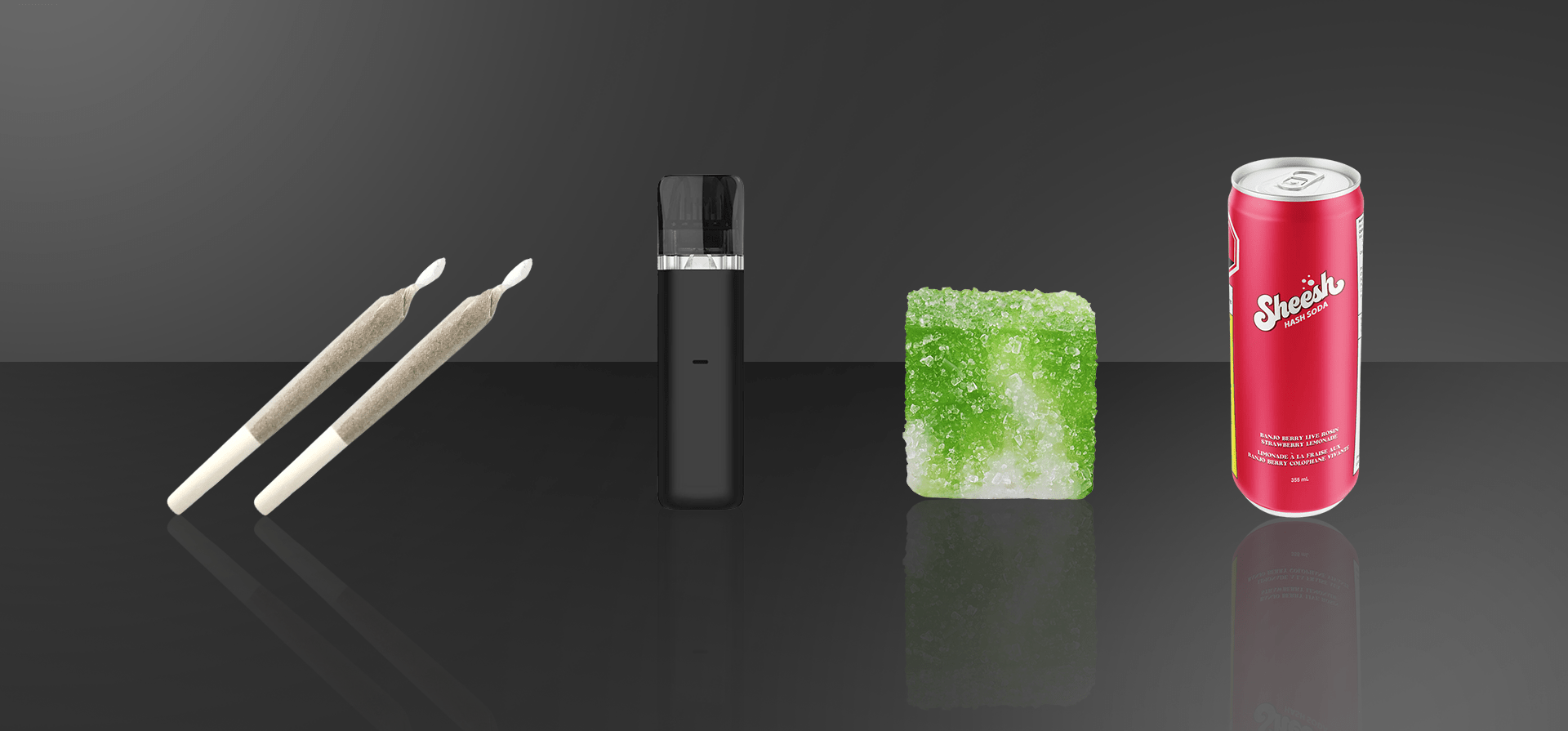
Consumption format decides how quickly a product takes effect, which is the variable daytime shoppers should plan around first. A pre-roll and a gummy run on completely different clocks. The category label is the least relevant part of that comparison.
Health Canada’s numbers are specific. With edible cannabis, effects are felt within 30 minutes to 2 hours, and it can take up to 4 hours to feel the full effects. With smoking or vaping, effects are felt in seconds to minutes, and full effects can take up to 30 minutes.
Questions our staff ask before suggesting a format:
- Are you at home, or heading out afterward?
- How long until your next obligation?
- Do you want something you can put down after two puffs?
- Are you dosing by milligram or by feel?
- Is this format new to you?
Not sure what suits your routine? Talk to our team before you buy.
Where Concentrates Sit in a Daytime Plan
Concentrates deserve their own line in this conversation because the numbers run very differently. Health Canada notes that extracts such as hash, kief, wax, and shatter contain a high concentration of THC, and it advises new or occasional consumers to avoid them because higher amounts of THC can cause greater levels of impairment. That is worth weighing carefully against anything you have later in the day.
The regulatory limits also differ by product category. Edible cannabis is limited to 10 mg of THC per immediate container, while cannabis extracts can contain up to 1,000 mg of THC per immediate container under the applicable federal limits. If you are exploring the category, our staff will happily walk you through our hash and concentrate selection and the numbers on each package.
Sativa or Indica for Sleep, Inflammation and Cramps: What We Can and Cannot Say
Some of the most common searches on this topic are medical questions, including sativa or indica for inflammation and sativa or indica for menstrual cramps. A licensed retailer cannot promote cannabis by making claims that it provides health benefits, such as treating or reducing a medical symptom. That restriction applies to every authorized cannabis retailer in Ontario.
Those questions belong with a doctor or nurse practitioner who can assess your situation properly. Health Canada’s own guidance states that people should always consult a health care provider before using cannabis for medical purposes, and notes that the available research is limited. A budtender is a product expert, not a clinician.
How to Shop for Daytime Use at Our North York Counter
The practical version of all this fits into five questions. Start with tolerance, then format, then potency, then any terpene information available. The shelf category comes last, if at all.
We are at 3852 Bathurst St, open seven days a week, and our team likes this conversation. Our staff will compare labels with you, explain what a terpene listing does and does not tell you, and talk through the numbers on two products side by side. Nobody is going to rush you.
- Name your tolerance honestly. New, occasional, or daily changes every answer that follows.
- Pick the format around your schedule. Inhalation and ingestion run on different clocks.
- Set a potency ceiling before you browse. Decide the range first, then shop inside it.
- Note terpenes you have liked. A useful reference point when the information is provided.
- Ask us to compare two SKUs. Specific comparisons get better answers than open questions.
Browse the menu before you head over, or read more about our shop.
Mistakes to Avoid
A lot of disappointing sessions come down to a few repeatable shopping mistakes. Most of them have nothing to do with which product was chosen. They have to do with the plan around it.
The most common one is chasing the highest THC number on the shelf. A higher THC figure does not automatically mean a better product for you. Cure, freshness, aroma, and the overall product profile can matter just as much to what a shopper actually values.
The other repeat offenders:
- Trusting a strain name across brands. The same name from two producers can test very differently.
- Testing something new before work or a drive. Never do this. Impairment is your responsibility.
- Ignoring the packaged-on date. It gives you a useful age reference before you buy.
- Buying by category alone. The shelf tag is convention, not chemistry.
- Skipping the label. The required information is printed right on the package.
See what other North York shoppers say on our customer reviews page.
Come In and Ask Us Anything
The fastest way to sort out what fits your routine is five minutes with someone who handles this shelf every day. Our team will compare labels with you, explain what a terpene listing does and does not tell you, and talk through potency and format against your schedule. No pressure and no overpromising.
Browse the current menu, check our hours and location, or see what is coming up on our events page.
Must be 19 or older to enter. Valid government-issued ID required. Keep out of reach of children and pets. Do not drive or operate machinery after consuming. Informational content only, not medical advice. Consult a health care practitioner regarding any medical use of cannabis.