
Why Lab Testing Matters for Every Cannabis Product You Consume – Scarlet Fire Cannabis Co. (North York / Toronto)

Legal cannabis in Ontario operates within a tightly regulated framework that governs cultivation, processing, packaging, and retail. These federal and provincial rules promote product consistency, transparency, and public safety. Laboratory testing plays a central role because every regulated cannabis product sold by licensed Ontario retailers must be tested before reaching store shelves.
For adult consumers in and around North York, this system shapes what appears in local stores from nearby communities like Vaughan, Markham, Scarborough, and Richmond Hill. Lab testing directly influences purchasing and usage decisions. Potency labels, ingredient disclosures, and contaminant screenings all come from verified lab results, which guide dosing and support more predictable experiences. Purchasing from licensed retailers like Scarlet Fire Cannabis Co., means choosing products that meet these testing standards.
The Role of Lab Testing in Ontario’s Cannabis Framework
Canada’s Cannabis Act and its regulations require licensed producers to submit cannabis products for testing by independent, accredited laboratories. These labs follow validated scientific methods and quality control procedures. Testing occurs before products enter the legal market.
Ontario retailers can only sell products that pass federal compliance standards. This system creates a chain of accountability from producer to consumer. Retailers do not conduct the tests themselves. They rely on federally mandated lab results tied to each product lot.
Lab testing serves several purposes:
- It verifies cannabinoid potency
- It screens for contaminants
- It checks product stability and shelf life
- It supports accurate labeling
- It promotes consumer confidence in legal products
In practical terms, testing allows consumers to compare products using standardized metrics rather than guesswork. A THC percentage on a legal label reflects measured data, not marketing language.
Why Cannabinoid Composition Matters More Than Strain Names
Primary Cannabinoids as Functional Drivers
The primary cannabinoids, particularly THC and CBD, play the most significant role in determining how a cannabis product feels and functions. THC is responsible for psychoactive effects, while CBD is non-intoxicating and often chosen for balance and clarity. The relative proportion of these cannabinoids influences alertness, intensity, and overall experience.
From a consumer education standpoint, cannabinoid composition provides more actionable information than strain lineage. Two products with similar THC and CBD ratios are likely to feel more alike than two products sharing a name but differing chemically.
Ratios as Predictive Tools
CBD-to-THC ratios are especially important for predictability. Products with low THC and higher CBD are typically selected for functional use, while balanced ratios offer moderated effects. Understanding ratios allows consumers to align cannabis use with real-world responsibilities, particularly in urban environments like Toronto.

CBD-Dominant, Balanced, and THC-Dominant Categories
CBD-Dominant Products
CBD-dominant cannabis contains significantly more CBD than THC, often with THC present only in trace amounts. These products are commonly chosen by adults seeking calm and physical ease without intoxication. In Ontario, CBD-dominant products are clearly labeled, supporting informed selection.
Balanced CBD-to-THC Products
Balanced products contain roughly equal amounts of CBD and THC. CBD moderates THC’s psychoactive effects, resulting in a more controlled experience. These products are often selected for evenings or low-demand settings.
THC-Dominant Products
THC-dominant products contain higher levels of THC with minimal CBD. While widely available, they are less relevant for consumers prioritizing predictability and functional use. Ontario labeling allows consumers to identify these products easily.
Delivery Formats and Why They Matter
Dried Flower
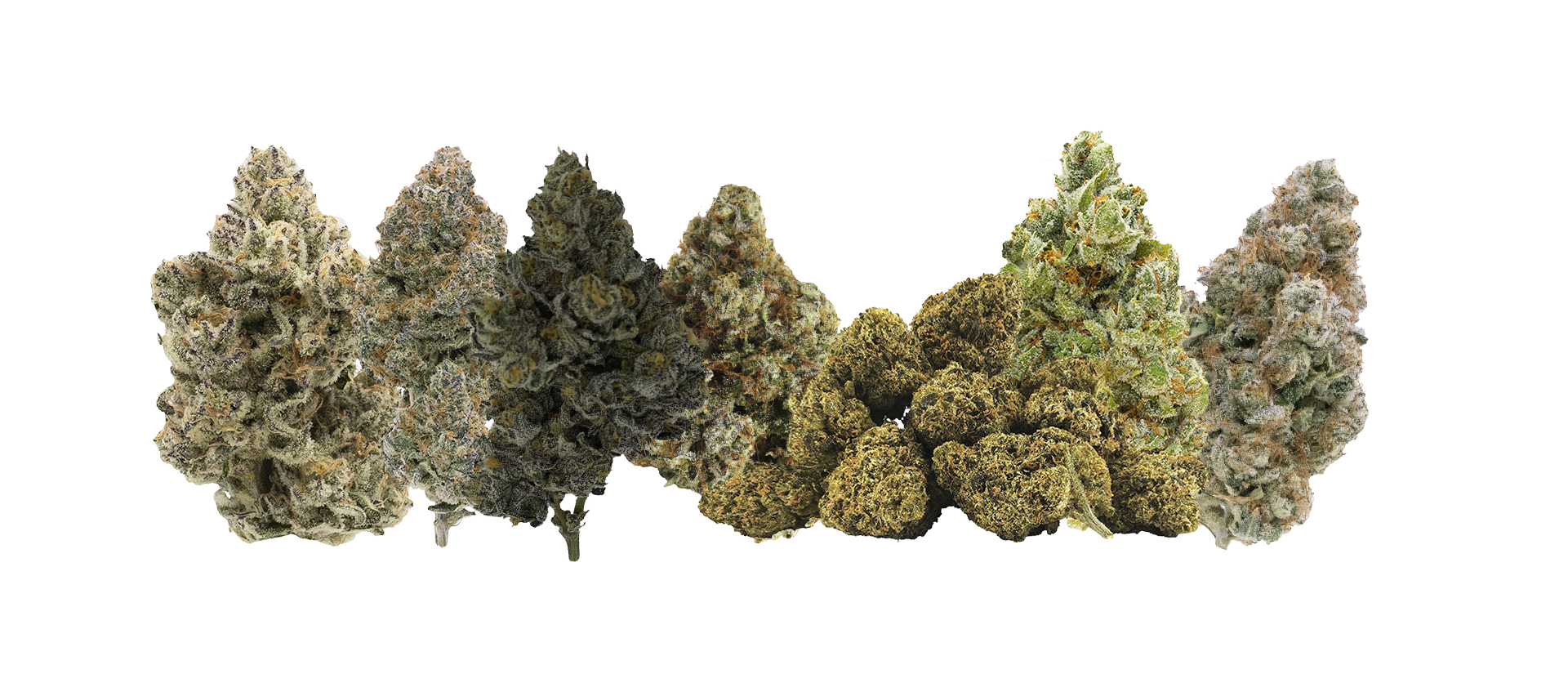
Dried flower is the most traditional cannabis format and is typically consumed through inhalation. When inhaled, cannabinoids enter the bloodstream quickly, and effects are often felt within minutes. This rapid onset allows users to assess intensity and adjust use in real time.
Because dried flower is minimally processed, its cannabinoid and terpene profile can vary more noticeably between batches. Factors such as cultivation conditions, curing, and storage influence consistency. Ontario’s lab testing requirements help standardize disclosure, but natural variation remains more pronounced than in processed formats.
Pre-Rolls
Pre-rolls contain ground dried flower prepared in standardized portions for immediate use. This format reduces variability in preparation and eliminates the need for additional equipment. Many consumers choose pre-rolls for convenience and predictable portion sizing.
Although pre-rolls share the same inhalation characteristics as loose flower, consistency depends on the quality and freshness of the underlying material. Ontario regulations require the same cannabinoid testing and labeling standards as dried flower, supporting informed comparison.
Vape Products
Vape products deliver cannabinoids through vaporization rather than combustion, which produces a faster onset similar to inhaled flower. Effects are typically felt within minutes, making this format suitable for users who prefer immediate feedback. Vaporization also reduces exposure to combustion byproducts.
In Ontario, vape products are subject to strict regulations regarding formulation, content, and dosage limits. These controls support greater predictability across products and batches. Clear labeling allows consumers to understand cannabinoid concentration before use.
Edibles
Edibles are ingested cannabis products that require digestion before cannabinoids enter the bloodstream. Because of this process, onset is delayed and may take 1 to 2 hours, but effects generally last longer than those from inhaled formats. This extended duration makes edibles a common choice when sustained effects are preferred, especially during evenings.
Ontario regulations cap the amount of THC per edible unit, which reinforces dose awareness and helps reduce the risk of unintended overconsumption. Since timing differs significantly from inhaled products, users are encouraged to wait for full onset before considering additional intake. Careful planning supports more predictable outcomes.
Beverages
Cannabis beverages are also ingested formats and follow a similar digestive pathway, resulting in delayed onset compared to inhaled options. Effects may take 1 to 2 hours to develop, though some beverages are formulated to feel slightly faster than traditional edibles. Once effects begin, duration is typically longer than inhaled formats.
As with edibles, Ontario’s THC limits per beverage emphasize portion control and responsible use. Because onset is not immediate, spacing intake and allowing time for full effects to appear is essential for consistency and comfort. This makes beverages best suited for relaxed settings where timing can be managed.
Capsules
Capsules provide measured doses of cannabinoids in a consistent and repeatable format. They are swallowed and absorbed through digestion, which results in delayed onset compared to inhaled options. This format emphasizes dosing accuracy and ease of use rather than immediacy, making capsules well suited for structured routines.
Because capsules are produced with standardized cannabinoid content, they are often chosen by consumers who prioritize consistency across uses. Ontario’s testing and labeling requirements further support predictable outcomes, allowing users to maintain reliable dosing with minimal variation.
Oils
Cannabis oils also provide measured doses of cannabinoids and support precise intake. Oils may be taken orally or sublingually, with sublingual use offering slightly faster absorption compared to capsules. This flexibility allows consumers to adjust timing while still maintaining control over dosage.
Oils are frequently selected by individuals who value consistency and repeatability in their cannabis use. Combined with Ontario’s regulated testing and clear labeling, this format supports predictable effects and makes oils a practical option for daily or scheduled use.
Onset, Duration, and Predictability

Inhaled vs Ingested Timing
Inhaled cannabis formats such as flower and vapes typically produce effects within minutes because cannabinoids enter the bloodstream through the lungs. This rapid onset allows users to assess effects quickly and make adjustments in real time, which can reduce uncertainty during use. Because feedback is immediate, inhaled formats are often viewed as more predictable for short sessions or situational needs.
Ingested formats such as edibles, beverages, capsules, and oils follow a different pathway through digestion and metabolism. Onset commonly occurs between 1 and 2 hours, and effects generally last much longer than inhaled formats. Understanding this extended timeline is essential for responsible planning, as the delayed onset increases the risk of taking more than intended if timing is misunderstood.
Terpenes as Secondary Modifiers
What Terpenes Are
Terpenes are aromatic compounds found in cannabis as well as in many other plants, including herbs, fruits, and flowers. In cannabis, terpenes contribute to scent and flavor, which is why different products may smell earthy, citrus-like, floral, or pine-forward. These sensory characteristics play a meaningful role in how a product is experienced at the surface level.
While terpenes do not drive the primary pharmacological effects of cannabis, they may subtly influence how cannabinoids are perceived. Certain terpene profiles are commonly associated with feelings such as relaxation or alertness, though these associations are secondary to cannabinoid content. Understanding terpenes adds nuance to product selection without replacing more critical factors.
Why Terpenes Are Secondary, Not Primary
Terpenes are best understood as modifiers rather than predictors of cannabis effects. The primary direction of an experience is established by cannabinoid composition, particularly the balance of CBD and THC. Terpenes may refine or color that experience, but they do not override cannabinoid ratios, dose, or delivery method.
Ontario’s regulated cannabis labels often include terpene information, which can be useful when comparing similar products. However, terpene data should supplement cannabinoid analysis rather than serve as the main decision point. For consistent and predictable outcomes, consumers benefit most from prioritizing cannabinoid ratios first, then using terpene profiles as a secondary layer of consideration.

Responsible Use, Tolerance, and Dose Awareness
Individual Variability
Tolerance to cannabis varies widely between individuals, which is why identical products can produce different experiences from one person to another. Factors such as metabolism, body composition, frequency of use, and delivery format all influence how cannabinoids are absorbed and processed. Even small differences in these variables can affect onset, intensity, and duration.
Ontario’s regulatory framework reflects this variability by emphasizing cautious use, clear labeling, and dose transparency. Consumers are encouraged to begin with lower amounts and adjust gradually over time rather than relying on assumptions or comparisons. This approach supports safer use and helps individuals identify products that align with their personal tolerance and goals.
Consistency Over Intensity
Responsible cannabis use prioritizes consistency and predictability rather than pursuing maximum effect. Products chosen for steady performance allow users to anticipate outcomes more accurately and reduce the likelihood of discomfort or disruption. This mindset is especially relevant for adults who incorporate cannabis into regular routines rather than occasional use.
This emphasis on consistency aligns with Ontario’s public health objectives, which focus on informed decision-making and harm reduction. By choosing formats, ratios, and amounts that deliver repeatable results, consumers build long-term confidence in their selections. Over time, this approach supports a more balanced and sustainable relationship with cannabis.
Practical Framework for Evaluating Cannabis in Ontario
Consumers evaluating cannabis products in Toronto and North York can benefit from applying a structured hierarchy that reflects how cannabis actually performs in real-world use. This approach emphasizes measurable, regulated attributes rather than branding or informal terminology. By following this order, consumers reduce uncertainty and improve consistency in product selection.
A practical evaluation framework includes:
- Cannabinoid composition and ratios, which establish the primary direction and intensity of effects
- Delivery format and timing, which determine onset speed and duration
- Dose and repeatability, which influence predictability across uses
- Terpene profile as a secondary factor, which may refine but not define the experience
This framework aligns closely with Ontario’s regulatory intent, which prioritizes transparency, standardization, and informed decision-making. Applying it consistently supports safer use and greater confidence, particularly for adults seeking reliable outcomes rather than experimentation.
Location Edge: Bathurst Street Convenience
Scarlet Fire’s location is one of its secret weapons. Sitting at 3852 Bathurst Street in North York, it is tucked just north of Highway 401 and close to Allen Road, so you can swing in from most parts of the city without fighting downtown traffic. TTC riders get easy access too, with the 60 bus dropping you a short walk from the door, which makes it a practical stop on your way home, between errands, or before a night in.
Free side-street parking keeps stress low, and extended hours seven days a week mean you do not have to rearrange your life just to restock your CBD flower, pre-rolls, or vape carts. You step into a calm, local space instead of circling crowded city blocks or dealing with packed underground garages. For anyone typing “CBD dispensary near me North York” into a search bar, this mix of easy access, relaxed residential vibe, and reliable hours makes Scarlet Fire the obvious neighborhood choice..
Final Thoughts: Claim Your Calm In North York
For adults looking to purchase legal cannabis products that align with Ontario’s regulated standards, visit Scarlet Fire Cannabis at 3852 Bathurst Street in North York. The store operates as a licensed Ontario cannabis retailer, offering lab-tested flower, pre-rolls, vapes, edibles, beverages, capsules, and oils with clear cannabinoid labeling and approved formats.
Scarlet Fire Cannabis organizes its selection around cannabinoid content, ratios, and delivery methods rather than unsupported strain claims. This allows customers to apply the concepts discussed in this guide directly, using verified information to choose products that fit their goals, schedules, and tolerance levels. Staff are available to explain product details in practical, evidence-informed terms suitable for both first-time and experienced consumers.
Make the short drive, experience the difference, and make it your go-to spot.Got questions? Contact us today!