
Best Sativa Strains: Top Picks and What Makes Them Stand Out - Scarlet Fire (North York / Toronto)
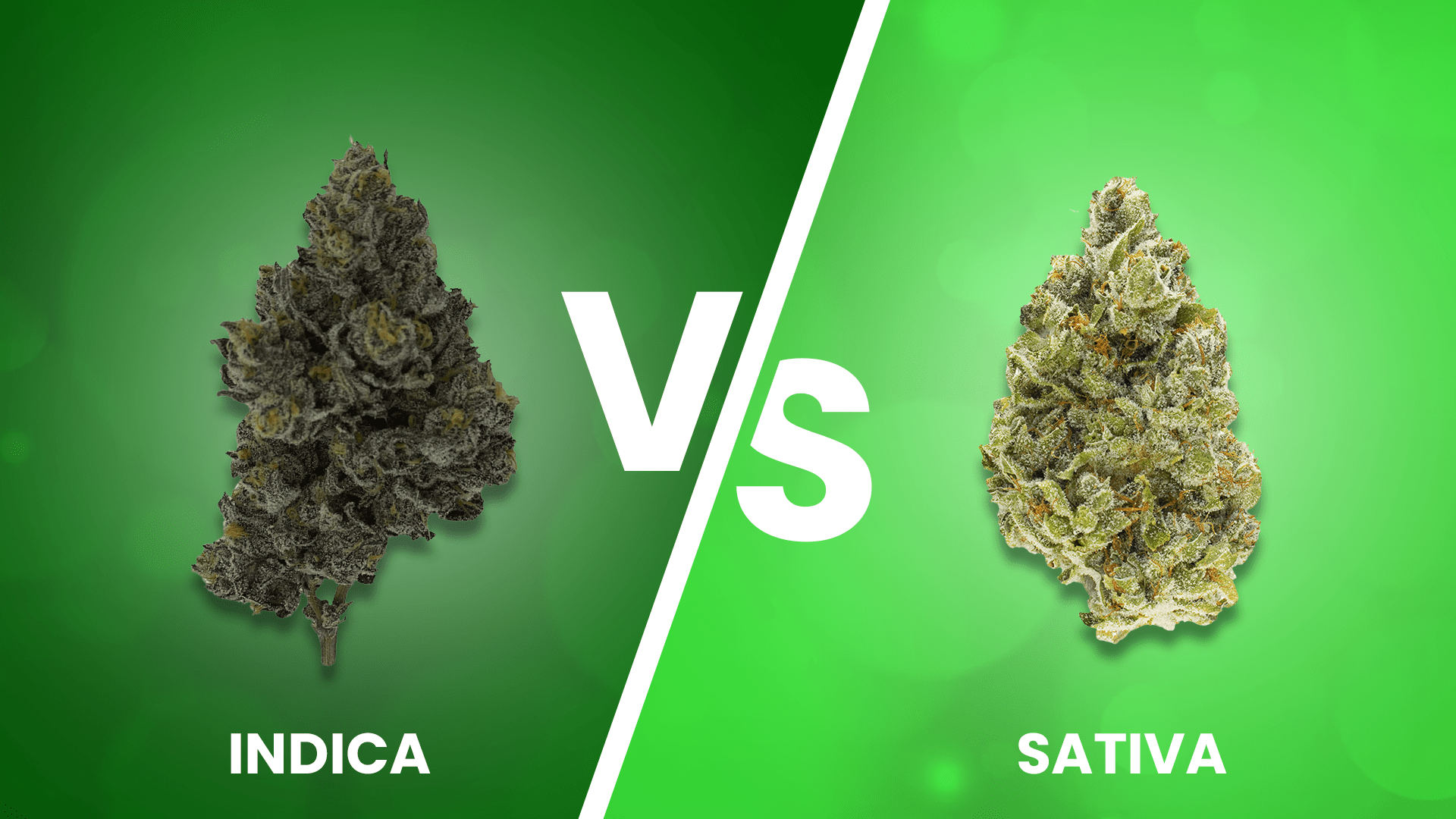
The best sativa strains to know are classics like Durban Poison, Jack Herer, Super Lemon Haze, Green Crack and Sour Diesel, cultivars widely recognized for their genetics, bright aromas and long-standing daytime reputations. What makes one stand out from the next isn’t the sativa tag on the jar, though. The label is only one clue, and cannabinoid content, terpene composition, genetics, batch variation and your own response all matter.
At Scarlet Fire Cannabis Co. on Bathurst Street, sativa questions come across the counter every single day, from first-timers to longtime Deadheads. Our budtenders keep it practical: what’s on the shelf, what it smells like and how consumers commonly describe it. If the lingo is new to you, our primer on what a cannabis strain actually is is a handy place to start.
What Makes a Sativa Strain Stand Out?
Traditionally, sativa referred to tall, narrow-leafed plants from warm regions near the equator, like Thailand, Colombia and parts of Africa. These landrace sativa lines were known for long flowering times and airy, spear-shaped buds. Today, most of what you’ll see labelled sativa in a Canadian store is a sativa-dominant hybrid bred from those old genetics.
That matters, because the label on its own says little about a specific product. A 2021 Dalhousie University study published in Nature Plants found that sativa and indica labels poorly reflected overall genetic and chemical differences, though a handful of terpenes were associated with how products got labelled. So the smart move is to read past the word “sativa” and compare the cannabinoid and terpene information on the package.
Terpenes: Useful for Aroma, Not a Guarantee
Terpenes are the aromatic compounds behind the lemon, pine, diesel and fruit notes in a jar of flower. Products sold as sativas often list a few familiar ones, and our breakdown of cannabis terpenes covers each in more detail. Here are the terpenes you’ll spot most often on sativa labels, described by aroma:
- Terpinolene: herbal, floral and a bit piney; often reported in Durban Poison and Jack Herer.
- Limonene: bright citrus peel; common in lemon-forward haze strains.
- Pinene: fresh pine and rosemary.
- Caryophyllene: peppery and spicy.
Terpene numbers shift from batch to batch, even under the same strain name, and they don’t reliably predict how a product will feel. Two jars of Jack Herer from different producers can smell quite different. That’s why we point people to the information printed on the package, and why lab testing matters for every product we carry.
Classic Sativa Strains Worth Knowing
These five classic cultivars remain widely recognized for their distinctive genetics, aromas and long-standing reputations, which is why they show up on so many lists of the best sativa strains of all time. Plenty of newer cultivars on Canadian shelves trace back to them. Think of this as a curated introduction, not an objective ranking, and stock rotates, so it isn’t a guarantee of what’s in today.
For each pick, we’ve noted its background, its typical aroma and how consumers commonly describe it. Those descriptions are consumer reports, not scientific effects, and your own experience depends on dose, tolerance and setting. Start low and go slow, the same way you’d test-drive a car before signing anything.
1. Durban Poison
Durban Poison is a landrace sativa from the port city of Durban, South Africa. Its aroma is usually described as sweet anise and pine, and terpinolene is often reported in tested batches. You’ll find it on almost every list of the best sativa strains of all time.
Consumers commonly describe it as clear-headed and upbeat, which is why it’s so often mentioned among daytime strains. Its buds tend to be dense for a sativa and sticky with resin. If you want a reference point for what “sativa” traditionally meant, it’s a good one to know.
2. Jack Herer
Jack Herer is a sativa-dominant hybrid named after the activist who wrote The Emperor Wears No Clothes. Jack Herer is a sativa-dominant hybrid named after the activist who wrote The Emperor Wears No Clothes. It is associated with Haze, Northern Lights #5 and Shiva Skunk genetics. The aroma is usually described as spicy pine with a woody edge.
Consumers often call it well-rounded, and it’s frequently described as focused without feeling racy. It’s common on Canadian menus, often from more than one producer. Compare the cannabinoid and terpene information across brands, because that’s where batch differences show up.
3. Super Lemon Haze
Super Lemon Haze is a cross of Lemon Skunk and Super Silver Haze from Green House Seeds. It earned Cannabis Cup recognition in the late 2000s, and it’s still one of the haze strains people ask for by name. The aroma is zesty lemon peel with a sweet, tart finish.
Folks who like their sativas loud and fruity tend to gravitate here. Consumers often describe it as lively and social, more of a weekend-afternoon pick than a quiet-night-in one. Haze lines can test high in THC, so newer consumers should go easy.
4. Green Crack
Green Crack is commonly described as a sativa-dominant cultivar with a tropical, citrus-forward aroma. Its exact lineage is disputed, and different growers tell different origin stories. Mango and citrus notes over an earthy base are what most people pick up on.
Consumers associate it with a sharp, energetic feel, which keeps it on many lists of the best sativa strains for energy. That said, “energetic” can tip into “jittery” for some people, especially with higher-THC batches. Start with a low amount and give the effects time to develop before consuming more.
5. Sour Diesel
Sour Diesel, often shortened to Sour D, surfaced on the U.S. East Coast in the early 1990s. Its exact lineage is debated, though many accounts tie it to Chemdawg. Its aroma is often associated with citrus and fuel-like notes, with terpene profiles varying between batches.
Consumers often describe it as punchy and talkative, a strain with real personality. It’s also a common parent in newer sativa-dominant hybrids, so you’ll see “Sour” in plenty of strain names. If you’d rather skip the rolling, ask our budtenders which sativa pre-rolls and flower options are in this week.
Sativa Strains That Are Purple
Most sativas are green, but a few sativa strains that are purple always turn heads at the counter. Purple Haze is the best-known example, usually traced to Purple Thai and Haze, with an earthy, berry-sweet nose. Purple phenotypes also pop up in some Thai-descended lines grown in cooler conditions.
That colour comes from anthocyanins, the same pigments that make blueberries and red cabbage purple. Genetics set the potential, and cooler nights near harvest often bring it out. Purple looks great in a jar, but it says nothing about potency, so check the label like you would with any other flower.
Best Sativa Strains People Associate With Energy
When people search for the best sativa strains for energy and focus, they usually mean something that won’t glue them to the couch. Durban Poison, Jack Herer, Green Crack and lemon-leaning haze strains are the names consumers bring up most, and they’re often called uplifting sativa strains. Keep in mind that “energy” and “focus” are consumer descriptions, not guaranteed effects.
In fact, Health Canada notes that cannabis can impair concentration, attention, memory and reaction time, and higher doses raise the odds of unwanted effects. Keep it light if you’ve got things to get done, and never drive after consuming. Our piece on choosing sativa or indica for daytime use goes deeper into planning around your schedule.
Best Sativa Strains for Anxiety: A Careful Look

People search for the best sativa strains for anxiety all the time, so we’ll be straight with you. Health Canada lists anxiety, fear and panic among the possible short-term effects of cannabis, and higher-THC products can increase the risk of anxiety and other unwanted effects, regardless of the sativa label. If you’re managing anxiety, talk to your doctor or pharmacist before experimenting.
If you still want to try a sativa, lower-THC options or products that pair THC with CBD are worth asking about. Even then, responses vary from person to person, and no strain name guarantees a calm experience. Our guide to CBD vs THC covers how the two compare and what to look for on the label.
Sativa Strains and Indica Strains: What's the Real Difference?
Old-school wisdom says sativa strains and indica strains split cleanly, with sativa for daytime and indica for night. These days, most weed strains, sativa and indica alike, are hybrids that have been crossed and back-crossed for decades. That’s why two products carrying the same label can feel completely different.
Myrcene can contribute earthy aromas often associated with indica-labelled products, while limonene, pinene and terpinolene contribute brighter aromas often associated with sativa-labelled products. Those are aroma associations, though, not reliable predictors of how energizing or relaxing a product will feel. Our full rundown of indica vs sativa explains where the labels came from and why they stuck.
Which Sativa Strains Best Suit You? Shopping Smart at Scarlet Fire
Figuring out which sativa strains best suit you comes down to three things: your experience, your tolerance and what you’ve got planned afterwards. A first-timer and a daily consumer shouldn’t be shopping the same THC range, and if your usual pick isn’t hitting the same, read up on cannabis tolerance. Here’s a quick checklist to bring along:
- Check the THC and CBD percentages on the label.
- Look for the top two or three terpenes listed.
- Note the packaging date for freshness.
- Ask a budtender what they know about that batch.
We carry a wide range of craft producers and a strong selection of hash products, alongside flower, pre-rolls and more. Drop by 3852 Bathurst Street in North York or browse our online menu to see which sativa flower is currently in stock. Not sure where to start, just give us a shout and we’ll point you the right way.
Growing Your Own: Sativa Autoflower Seeds
Ontario’s cannabis laws let adults 19 and older grow up to four plants per residence, as long as the starting material comes from the Ontario Cannabis Store or an authorized retailer. Sativa autoflower seeds cross sativa genetics with ruderalis, which flowers based on age rather than daylight hours. Lease and condo rules can still prohibit growing, so check those before you plant anything.
Some tropical sativa-dominant varieties can have long flowering periods, which makes autoflowers attractive for shorter Canadian growing seasons. The trade-off is that autoflowers tend to stay smaller and yield less. For a balcony or a first grow, that’s often a fair swap.
Find Your Next Favourite Sativa on Bathurst Street
The classic sativas share a few things: a distinctive aroma, a well-known lineage and a long track record with consumers. Terpene data, cannabinoid levels, package information and informed budtender guidance can make product comparisons easier. That’s the conversation we love having at the counter.
Come see us at 3852 Bathurst Street in North York, open seven days a week, or check the current menu online. Curious what other shoppers think? Read our customer reviews, then swing by when you’re ready.