
What Is Rosin and Why Is It So Popular? - Scarlet Fire (North York / Toronto)
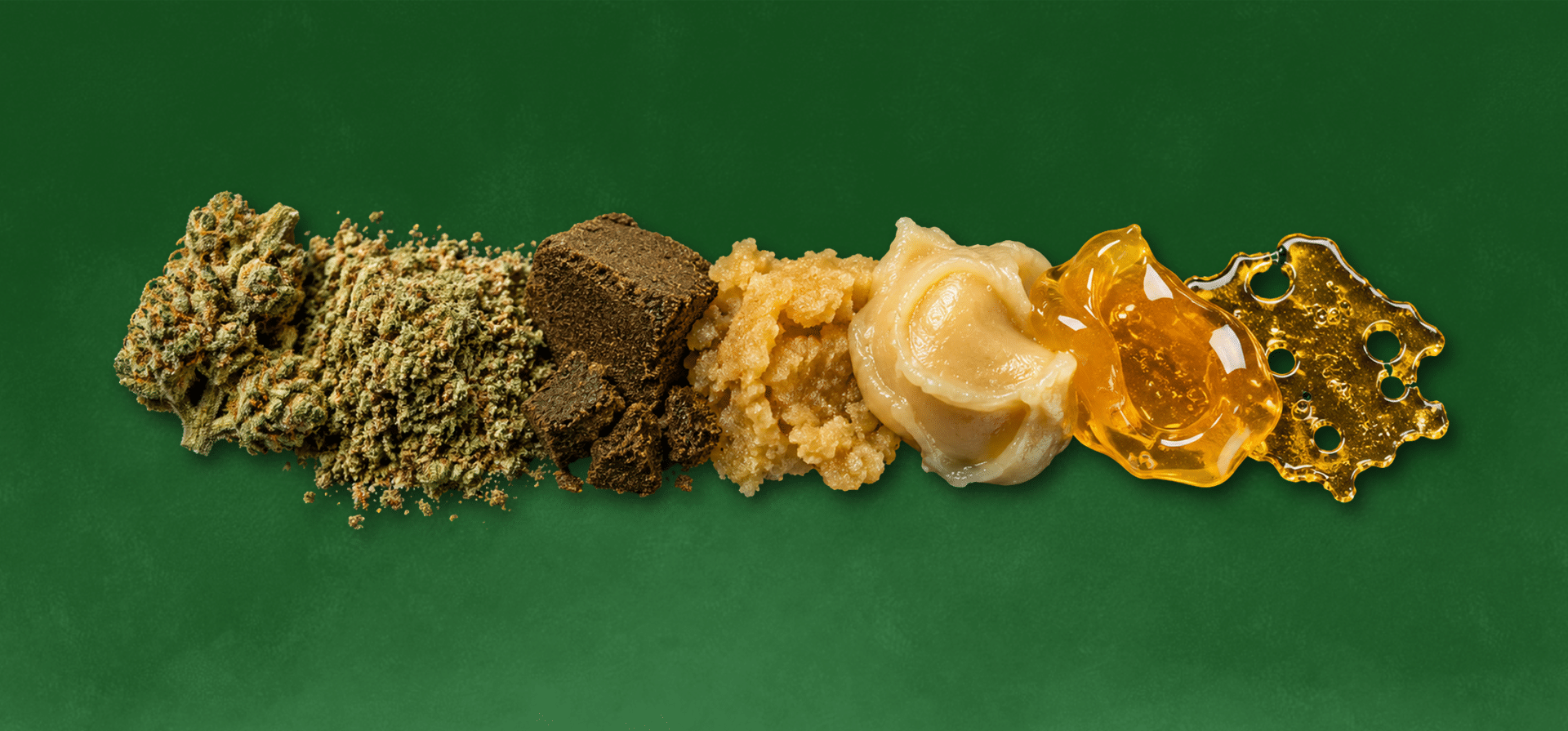
Rosin is a solventless cannabis extract made with heat and pressure, with no butane, propane, or supercritical CO₂ involved. It is a purely mechanical process, and that simplicity is a big part of why it has taken off across Canada. This guide breaks down how rosin is produced, the key rosin vs BHO distinctions, what separates hash rosin from live rosin, and what to look for when you are shopping for this cannabis concentrate.
At Scarlet Fire Cannabis, our budtenders answer questions about rosin concentrates regularly. The sections below cover extraction methods, product types, consumption options, quality considerations, and responsible use, all written for consumers navigating Ontario’s regulated cannabis market.
What Exactly Is Rosin?
At its core, rosin is a cannabis concentrate made with heat and pressure instead of hydrocarbon or supercritical CO₂ extraction. A rosin press squeezes resinous cannabis material (flower, hash, or kief) between heated plates, and what comes out is a golden, sticky extract packed with cannabinoids and terpenes. It is one of the more straightforward ways to concentrate, and honestly, that simplicity is a huge part of why people are drawn to it.
Because the process skips hydrocarbon solvents and supercritical CO₂ entirely, rosin can retain a range of cannabinoids, terpenes, and other compounds from its starting material. Some folks in the community connect that broader chemical profile with the proposed “entourage effect,” though clinical evidence for that interaction in humans is still limited. If knowing exactly how your concentrate was made matters to you, rosin gives you a transparent, mechanical alternative to solvent-based processes.
How Is Rosin Made? The Solventless Process Explained

The extraction process behind rosin is pretty straightforward compared to other methods. You take cannabis flower, bubble hash, or dry sift, place it between sheets of parchment paper, and compress it between heated plates at a controlled rosin press temperature. The exact temperature varies depending on the starting material, equipment, and what kind of end product you are going for. Pressing conditions like temperature, pressure, and time all influence which terpenes stick around and what the final flavour profile tastes like.
What you get is a translucent, sappy extract that can range from a buttery consistency to a firmer texture, depending on the starting material and press settings. The whole process can be done in minutes, which is one reason craft producers have been gravitating toward solventless methods. For a broader overview of concentrates and how they are consumed, our guide to dabbing and concentrates covers the fundamentals.
Why Solventless Extraction Matters
The distinction between solventless and solvent-based extraction is a real one, and it matters to a lot of people in the community. Traditional concentrates like BHO (butane hash oil) require a purging step to remove residual solvents, and how thoroughly that gets done can vary between producers. With rosin, hydrocarbon solvents and supercritical CO₂ are not part of the production process at all. That distinction appeals to consumers who specifically prefer solventless extraction methods, though it is worth noting that solventless does not automatically mean safer.
Solventless extraction can retain a range of cannabinoids and terpenes from the starting material, with the resulting profile depending on the specific process and material used. This is sometimes discussed in the context of the entourage effect, the hypothesis that cannabis compounds may interact synergistically, though clinical evidence remains limited. What is well established is that different extraction methods can produce concentrates with different chemical profiles.
Types of Rosin You Should Know About
How Hash Rosin Differs from Live Rosin
One of the most common questions we get at the counter is hash rosin vs live rosin, and what the actual difference is. Hash rosin is made by pressing bubble hash through a rosin press, producing a concentrated result. The bubble hash itself comes from agitating cannabis in ice water and filtering the trichomes through micron bags of varying mesh sizes, which separates the resin heads from the plant material.
Live rosin is actually a type of hash rosin, but the key difference is that it starts with fresh-frozen cannabis rather than dried and cured material. Fresh-freezing helps preserve volatile compounds in the plant before drying and curing can strip them out. That frozen material gets washed into bubble hash and then pressed into rosin, and a lot of experienced dabbers will tell you the flavour and aroma profile is noticeably different. Both are considered premium products; it really comes down to starting material and the chemical profile that follows.
Rosin Textures and Consistencies
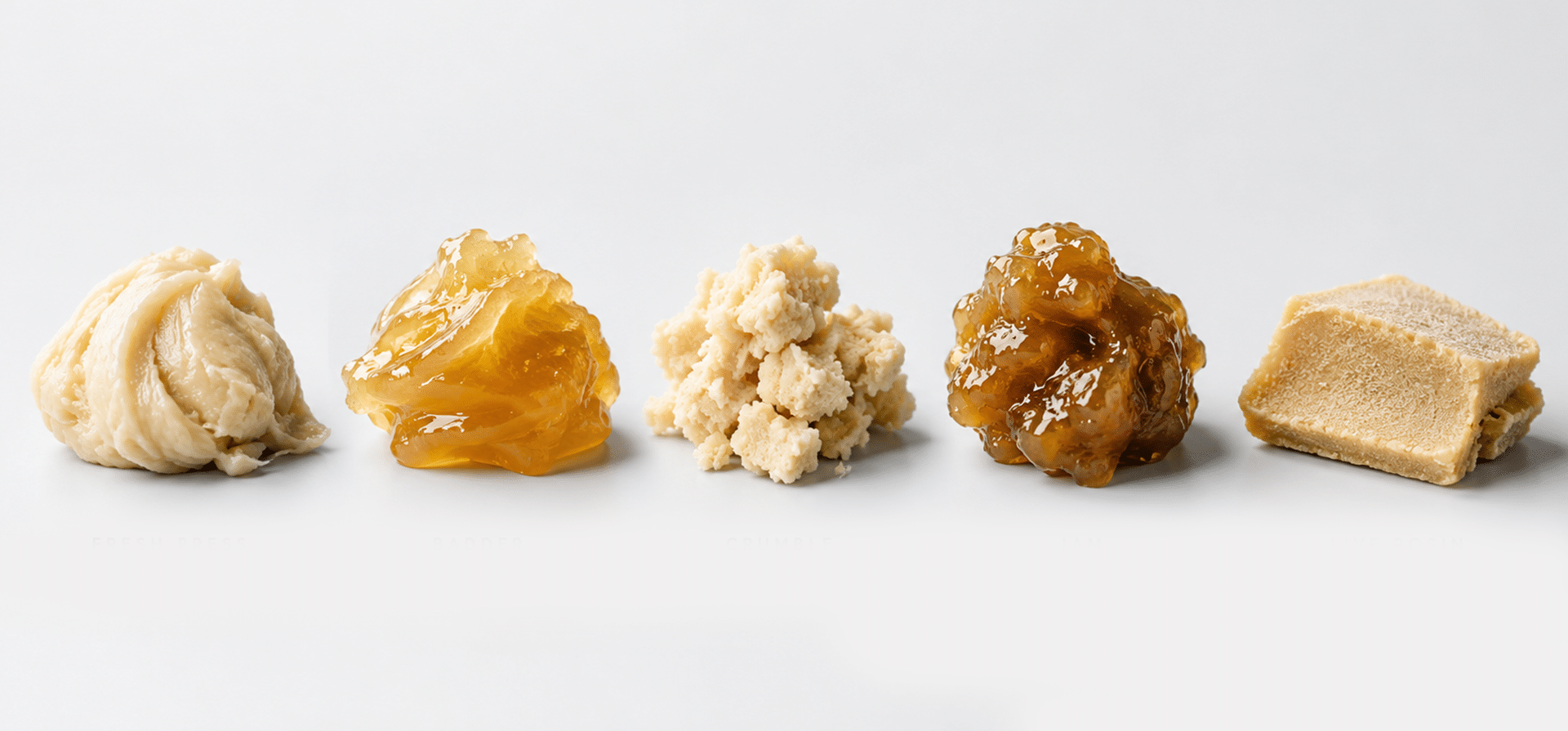
After pressing, rosin can take on a bunch of different textures depending on how it is handled. Retailers may use terms like rosin cannabis wax, budder, badder, jam, or sauce to describe different consistencies, and these are not perfectly standardized across the industry. Cold-cure rosin, where the extract rests at a controlled temperature after pressing, tends to develop a smooth, creamy badder that a lot of dabbers really enjoy.
Rosin can also develop sappy or pull-and-snap textures depending on pressing and post-processing conditions. No single texture is inherently superior because it comes down to personal preference and how you plan to consume it. The quality and condition of the starting material can influence the final aroma, flavour, texture, and cannabinoid profile. For more on how processing choices affect cannabis quality, that is worth reading up on separately.
How to Use Rosin: Common Consumption Methods
If you’re looking into how to use rosin, the good news is you have got several solid options. Rosin’s versatility is one of the big reasons it has blown up across Canada because there is something for every preference and comfort level. Here are the most common ways people enjoy it:
Dabbing
Dabbing is probably the most well-known way to enjoy rosin in the concentrate community. A rosin dab involves using a dab rig or an e-nail to vaporize a small portion at controlled temperatures. Most people prefer low-temp dabs for rosin because you get more of those volatile terpenes coming through, and the vapour tends to be a lot smoother.
Many consumers prefer low-temp dabs for rosin because you tend to get more flavour and a smoother hit, though the right temperature depends on your device, the product, and personal preference. If you are new to concentrates, start with a tiny amount and follow the product label for dosing guidance. Concentrates can pack significantly higher THC levels than dried flower, so go easy. You can always take another dab, but you cannot un-dab.
Vaping
If you want something more portable and discreet, a rosin vape cartridge is a solid option. Some licensed Canadian producers now offer carts formulated with solventless rosin extracts. They typically slot into standard 510-thread batteries, so they are pretty straightforward to use.
Formulations can vary between producers, so it is worth checking the label for specific ingredients and any added agents. Vaping rosin sits somewhere between the full ritual of dabbing and the simplicity of pre-rolls or cannabis-infused beverages in terms of convenience.
Edibles, Oils, and Other Formats
Rosin-based edibles like rosin cannabis gummies have become a growing product category in Canada. Some edible products use rosin as their cannabis extract, though processing steps like decarboxylation and formulation can change the original cannabinoid and terpene profile. Rosin cannabis oil is another option where the extract gets mixed into carrier oils for sublingual use or cooking.
Rosin can also be used as an input for topicals and capsules, though these formats are less common in Canada’s regulated retail market right now. If you are already exploring CBD isolate, crystalline, and nano products, rosin-based alternatives offer a different approach worth considering.
Health Canada’s lower-risk guidance differs by format, and the distinction matters. For edible cannabis, it suggests looking for products containing 2.5 mg of THC or less. For smoking or vaping, it suggests starting with one or two puffs of a product containing 10 percent (100 mg/g) THC or less, and for both formats it recommends choosing products with an equal or higher amount of CBD.
Rosin Safety and Responsible Consumption
Because rosin is a cannabis concentrate, it can contain significantly higher levels of THC than dried flower. Health Canada notes that cannabis effects can occur rapidly after inhalation, and that higher-potency products can increase risks for some consumers. Responsible use is an important part of enjoying any cannabis concentrate safely.
Whether you are new to concentrate or experienced with them, the following guidelines apply across all rosin products and consumption methods. These recommendations align with Health Canada’s lower-risk cannabis use guidelines:
- Start low, go slow: Begin with a very small amount, especially if you are new to concentrating or trying a new product.
- Be aware of THC content: Concentrates can contain substantially more THC per serving than dried flower. Check the label.
- Inhaled effects are rapid: When dabbing or vaping, effects can be felt within minutes. Wait before consuming more.
- Edible effects are delayed: Effects can take up to two hours to begin and longer to reach their full effect. Avoid consuming more too soon.
- Do not drive impaired: Cannabis impairs driving ability. Never operate a vehicle or heavy equipment after consuming cannabis.
- Avoid combining with alcohol: Using cannabis and alcohol together can intensify impairment and increase risks.
- Follow the product label: Licensed Canadian cannabis products include dosage information and THC/CBD content. Use them.
- Store safely: Keep all cannabis products, including concentrates, out of reach of children and pets in a secure location.
Questions about rosin? Our budtenders at Scarlet Fire Cannabis are happy to walk you through the concentrate options currently available. Visit us at 3852 Bathurst Street in North York.
Why Rosin Has Gained Popularity in Canada
Canada’s legal cannabis market has come a long way since legalization, and so have consumer preferences. More people are paying attention to how their concentrates are actually made, and solventless options like rosin fit that mindset perfectly. The combination of a simple, mechanical extraction process and an expanding lineup of rosin products has helped move rosin from a niche thing into a mainstream conversation.
The demand for solventless concentrates has also been driven by a growing community of informed consumers who research products before visiting a regulated dispensary in their area. People are reading labels, grilling their budtenders, and specifically asking for solventless options by name. That shift is encouraging more licensed producers to invest in rosin product lines.
Several factors are contributing to the growing interest in rosin across Canada:
- Transparent production: The solventless process is straightforward, which appeals to consumers who value knowing how their product was made.
- Terpene profile: Starting material and processing conditions influence which compounds are retained in the final extract.
- Product versatility: Available as dabs, vape cartridges, gummies, oils, and more. There is a format for different consumer preferences.
- Craft production interest: Solventless methods align with the growing craft cannabis movement in Canada, where small-batch quality is valued.
What to Look for When Evaluating Rosin
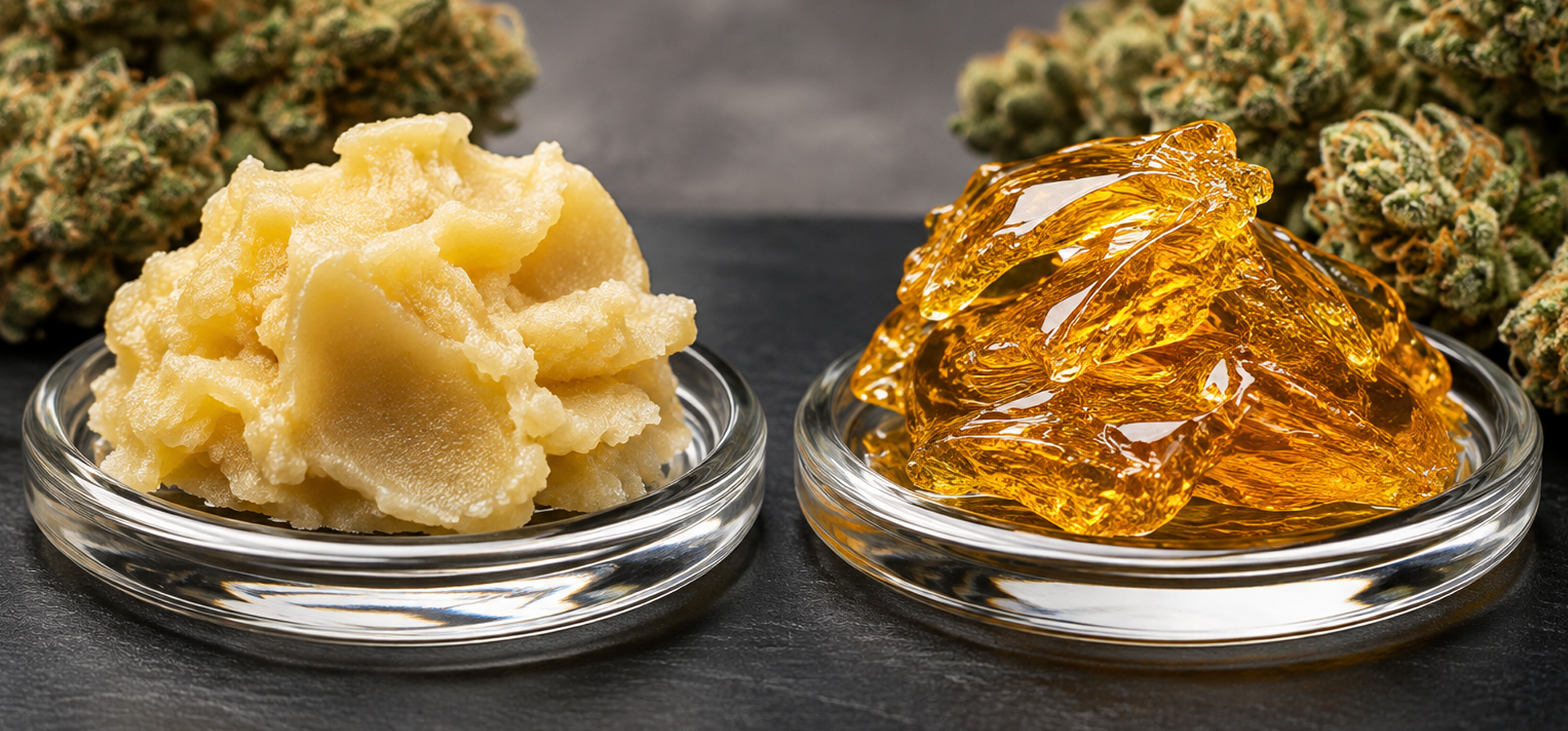
Not all rosin is created equal, and knowing what to look for can save you from a disappointing purchase. The single most important factor is the quality of the starting material. Rosin pressed from trichome-rich flower or carefully processed bubble hash is going to be a different experience than rosin from lower-grade input. And do not judge by colour alone because it can vary a ton between products due to genetics, oxidation, processing, and storage.
Check the THC and CBD information on the packaging to understand what you are getting, and if terpene data is listed, even better, but do not treat terpene count alone as a quality indicator. Texture varies by product and processing method, so compare what you see with the product description rather than assuming one texture is better than another. Most importantly, confirm that the product comes from a licensed producer and review the details on the regulated product label, because that is your baseline for quality and compliance.
Points to consider when evaluating rosin:
- Source material: Hash rosin and live rosin are produced from processed or fresh-frozen trichome-rich material and can differ from flower rosin in texture, aroma, and yield.
- Label information: Review the THC and CBD information, product details, and any other data provided on the regulated package. If terpene information is available, it can offer additional context about the product’s chemical profile.
- Texture: Varies by product and processing method. Compare the consistency with the product description rather than treating any one texture as a quality standard.
- Aroma: Consider the aroma alongside the product’s listed terpene information and overall condition.
- Licensed producer: Verify the product is produced and distributed within Canada’s regulated cannabis framework.
Where to Find Rosin in Toronto
If you have been searching for cannabis near me looking for rosin in the Greater Toronto Area, Scarlet Fire Cannabis on Bathurst Street in North York offers consumers access to a curated selection of regulated cannabis products and concentrates. Our selection changes as products from licensed producers become available.
What we really focus on here is education. Whether you have questions about hash rosin, live rosin, rosin vape carts, or rosin edibles, our budtenders can walk you through what is on the shelf and help you understand the differences. We approach every conversation with education first, no pressure, just real talk about what is going to work for you.
Interested in exploring rosin? Stop by Scarlet Fire Cannabis at 3852 Bathurst Street, North York, and speak with our team. Find us here. We are always happy to answer questions about solventless concentrates.
How to Shop for Daytime Use at Our North York Counter
The practical version of all this fits into five questions. Start with tolerance, then format, then potency, then any terpene information available. The shelf category comes last, if at all.
We are at 3852 Bathurst St, open seven days a week, and our team likes this conversation. Our staff will compare labels with you, explain what a terpene listing does and does not tell you, and talk through the numbers on two products side by side. Nobody is going to rush you.
- Name your tolerance honestly. New, occasional, or daily changes every answer that follows.
- Pick the format around your schedule. Inhalation and ingestion run on different clocks.
- Set a potency ceiling before you browse. Decide the range first, then shop inside it.
- Note terpenes you have liked. A useful reference point when the information is provided.
- Ask us to compare two SKUs. Specific comparisons get better answers than open questions.
Browse the menu before you head over, or read more about our shop.